School & Education Washroom Design Specialists.

Washrooms built for schools
We understand the critical role that well-designed washrooms play in schools and educational facilities. A thoughtfully planned school washroom goes far beyond basic functionality — it directly supports student wellbeing, promotes positive hygiene habits, and helps create a safe, comfortable, and inclusive environment where pupils feel confident throughout the school day.
Unlike standard washroom refurbishment contractors, we take a bespoke, education-focused approach to every project. Our experienced team designs and delivers school washroom refurbishments that balance performance, durability, safety, and cost-effectiveness, ensuring long-term value for both pupils and staff.
We recognise that education budgets are often under pressure, which is why our solutions are carefully specified to maximise lifespan and minimise maintenance — without compromising on hygiene standards, safeguarding requirements, or regulatory compliance. From primary schools to colleges and academies, our washroom designs are built to withstand high usage while remaining welcoming, robust, and easy to maintain.
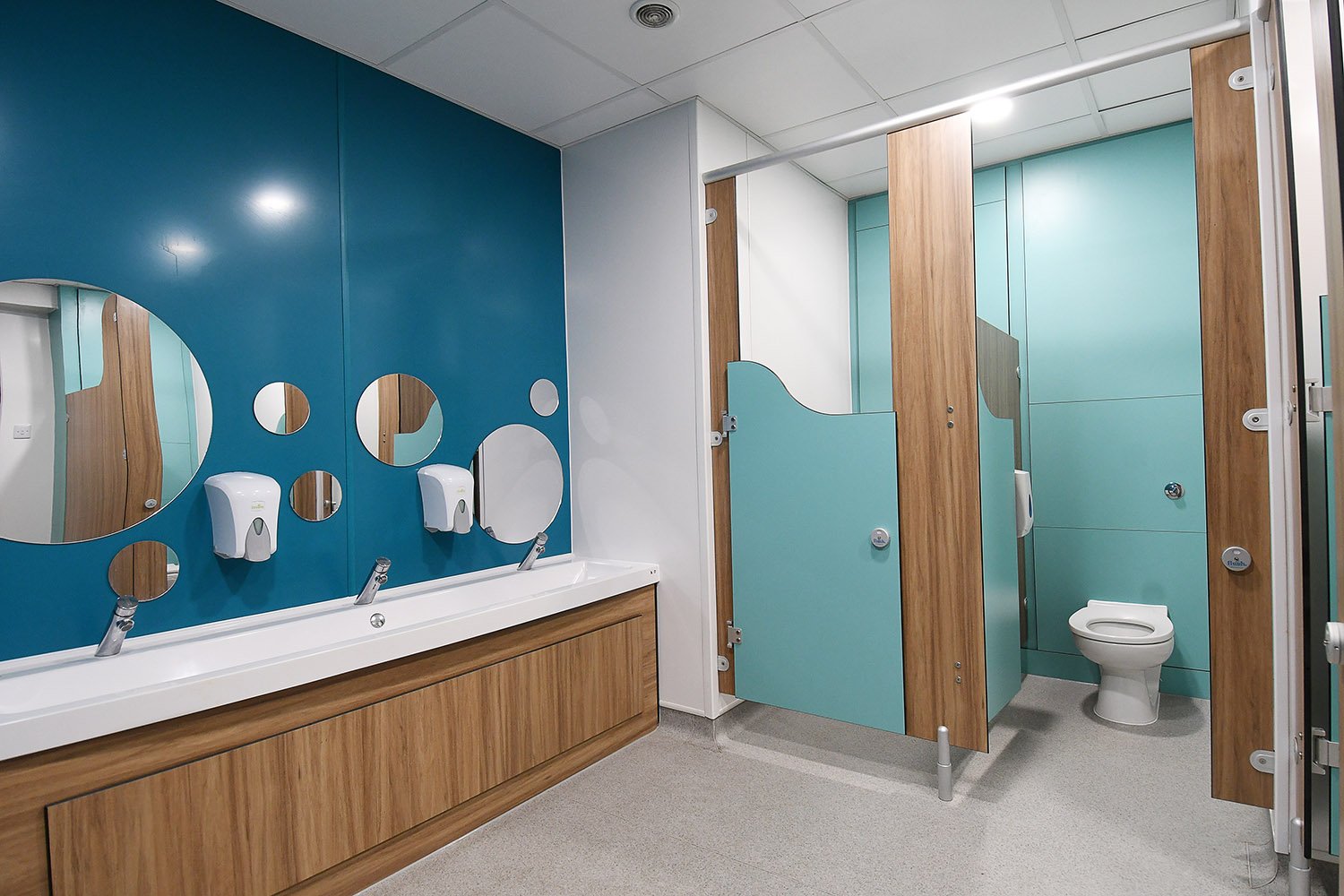
Make it stand out
Creating modern, inclusive school toilet design is about more than compliance — it’s about providing safe, hygienic, and well-considered facilities that support every pupil. Alongside traditional single-sex school toilets, educational environments are increasingly encouraged to adopt shared, gender-neutral and unisex washrooms, promoting inclusivity while maintaining privacy, safety, and dignity.
With extensive experience delivering school washroom refurbishment projects, we work closely with each client to develop the optimum solution for their individual requirements and budgetary constraints. Our team understands that hygiene, durability, and ease of maintenance are non-negotiable in educational settings, which is why every design prioritises robust materials, ergonomic layouts, and long-term performance
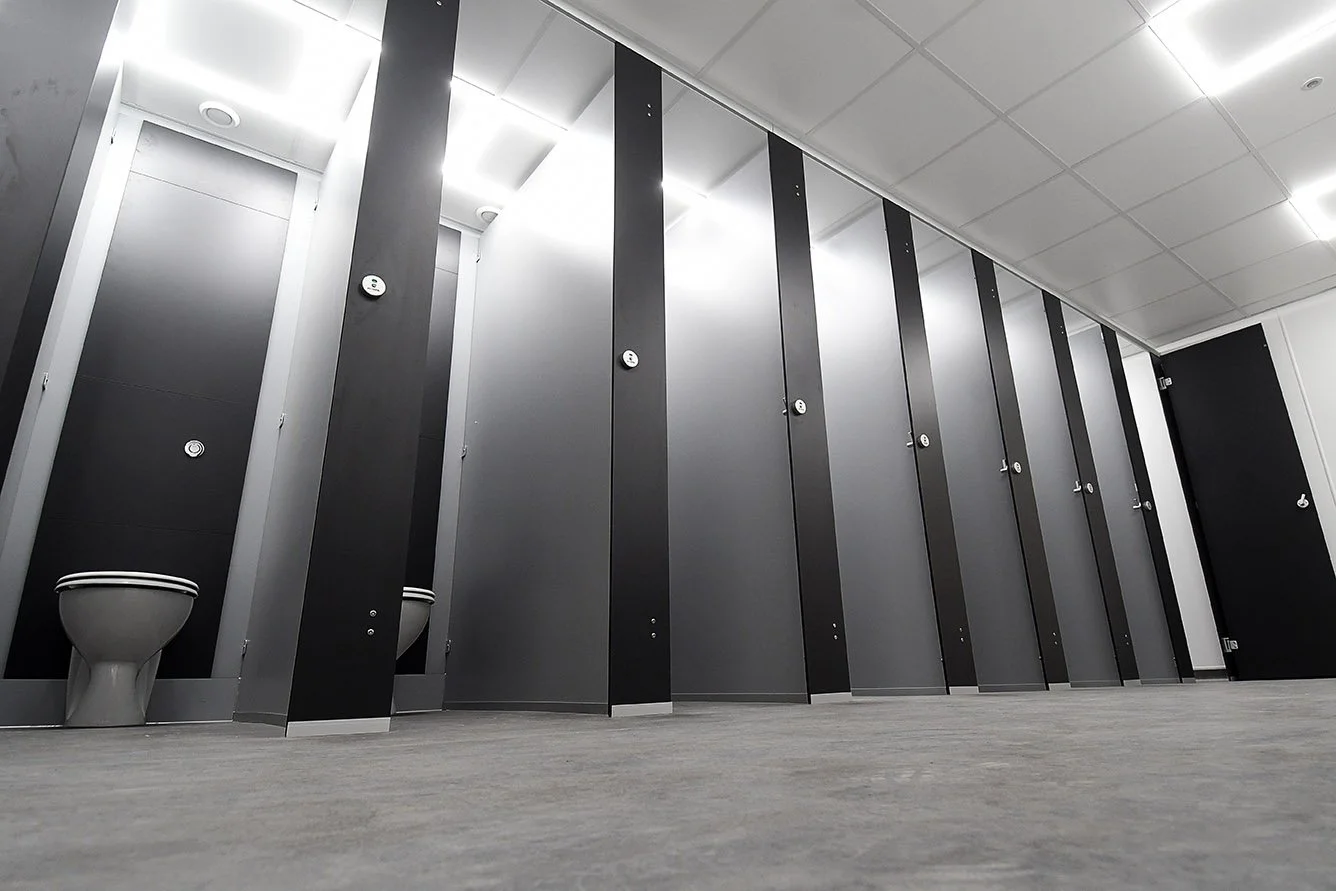
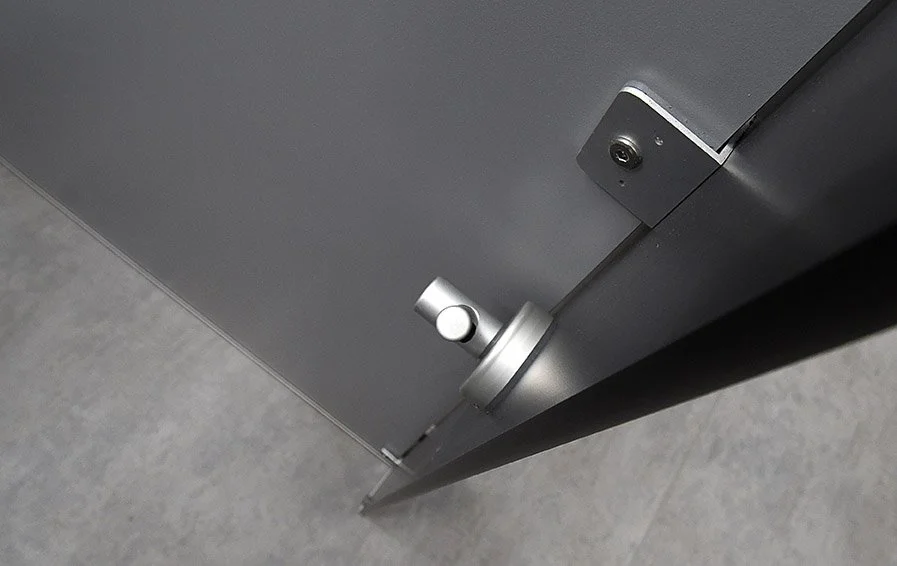

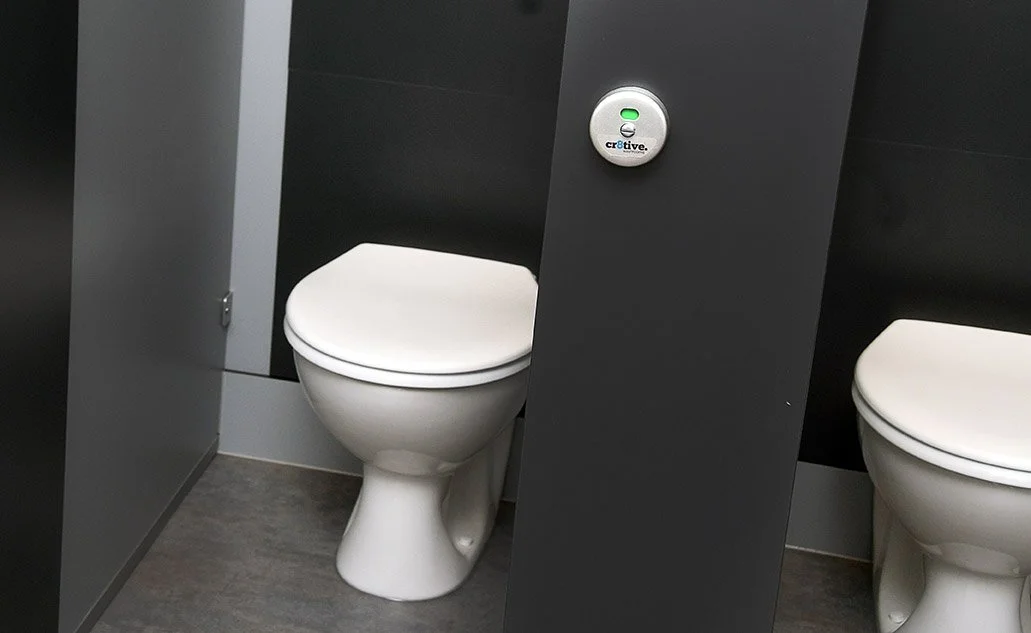

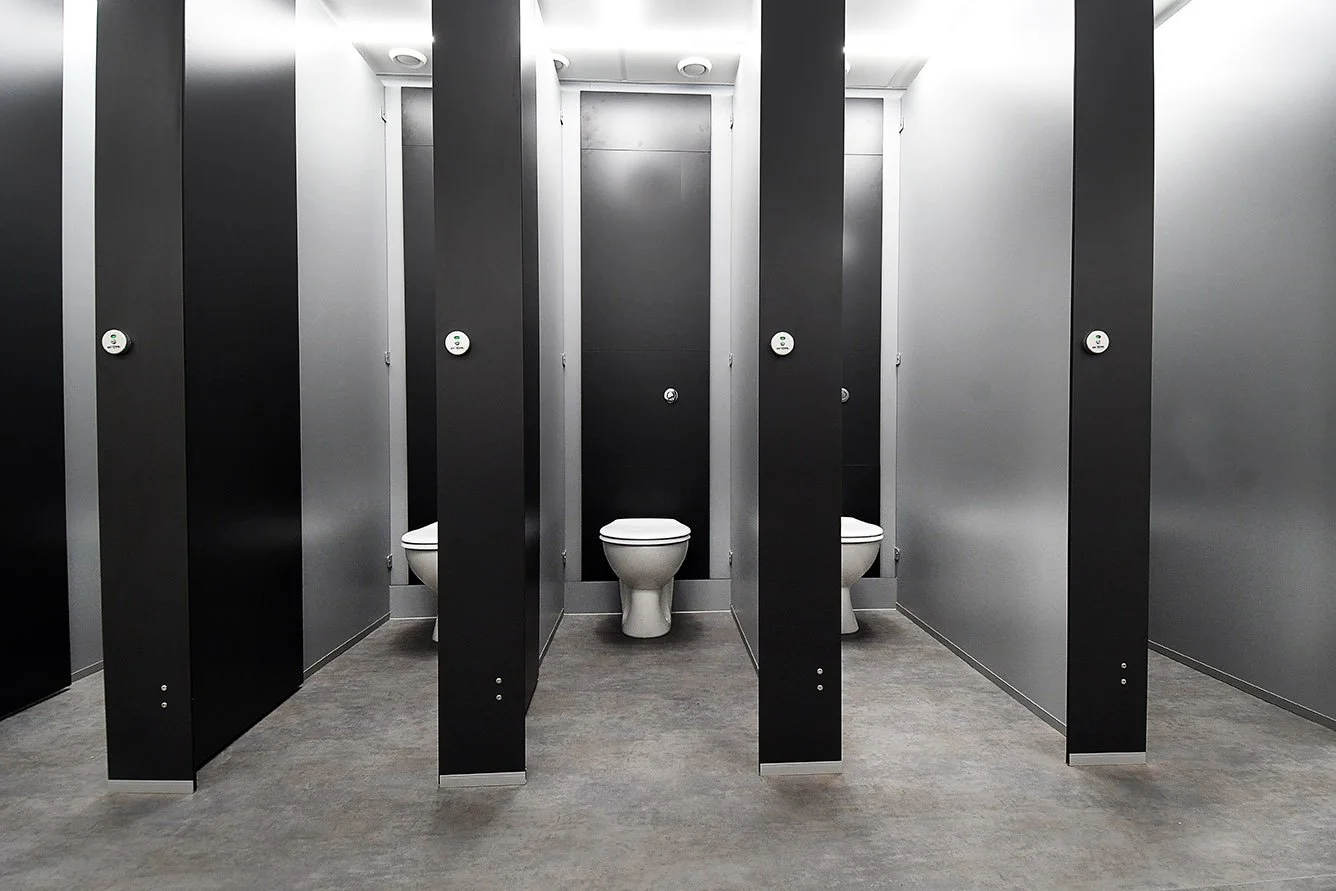
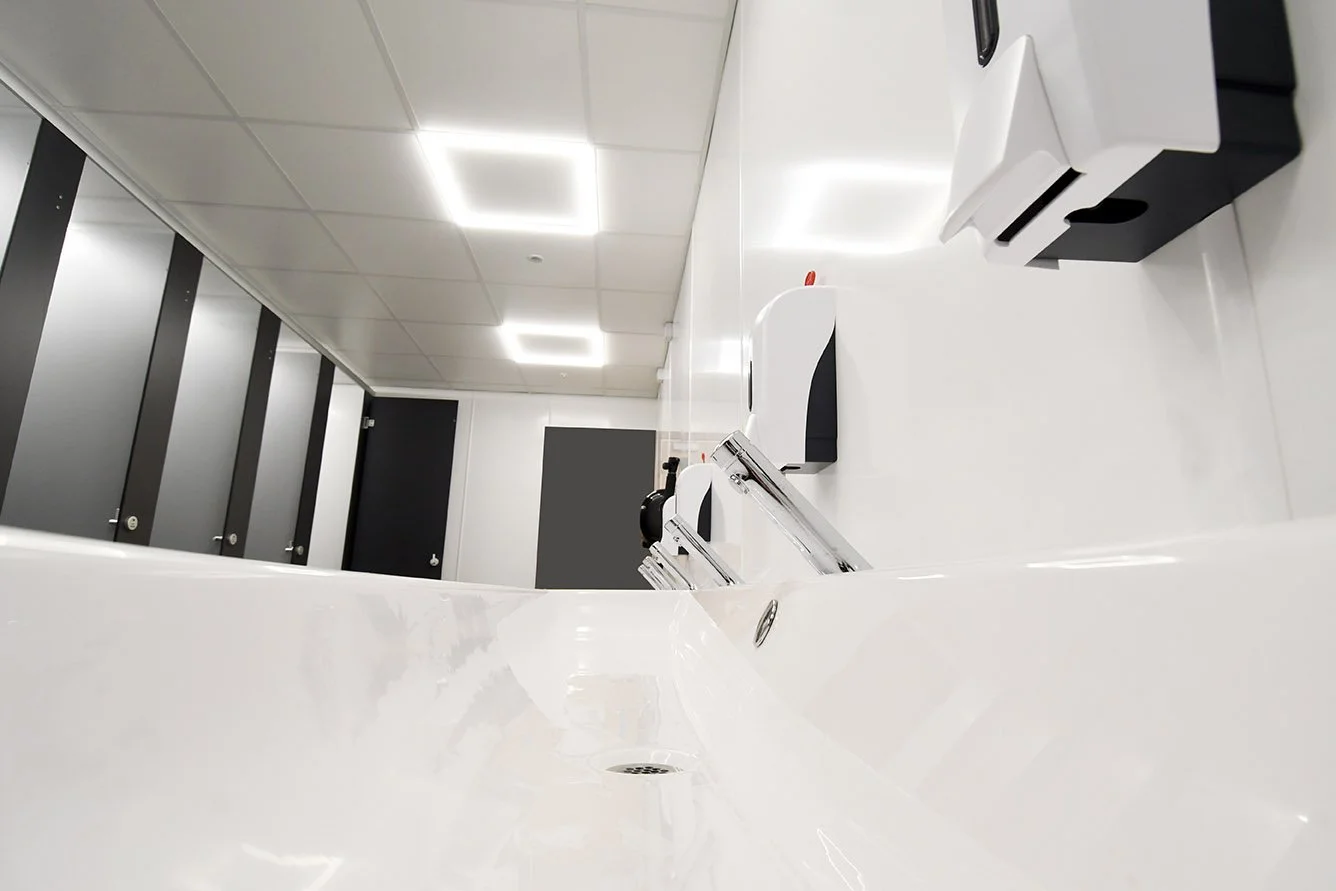
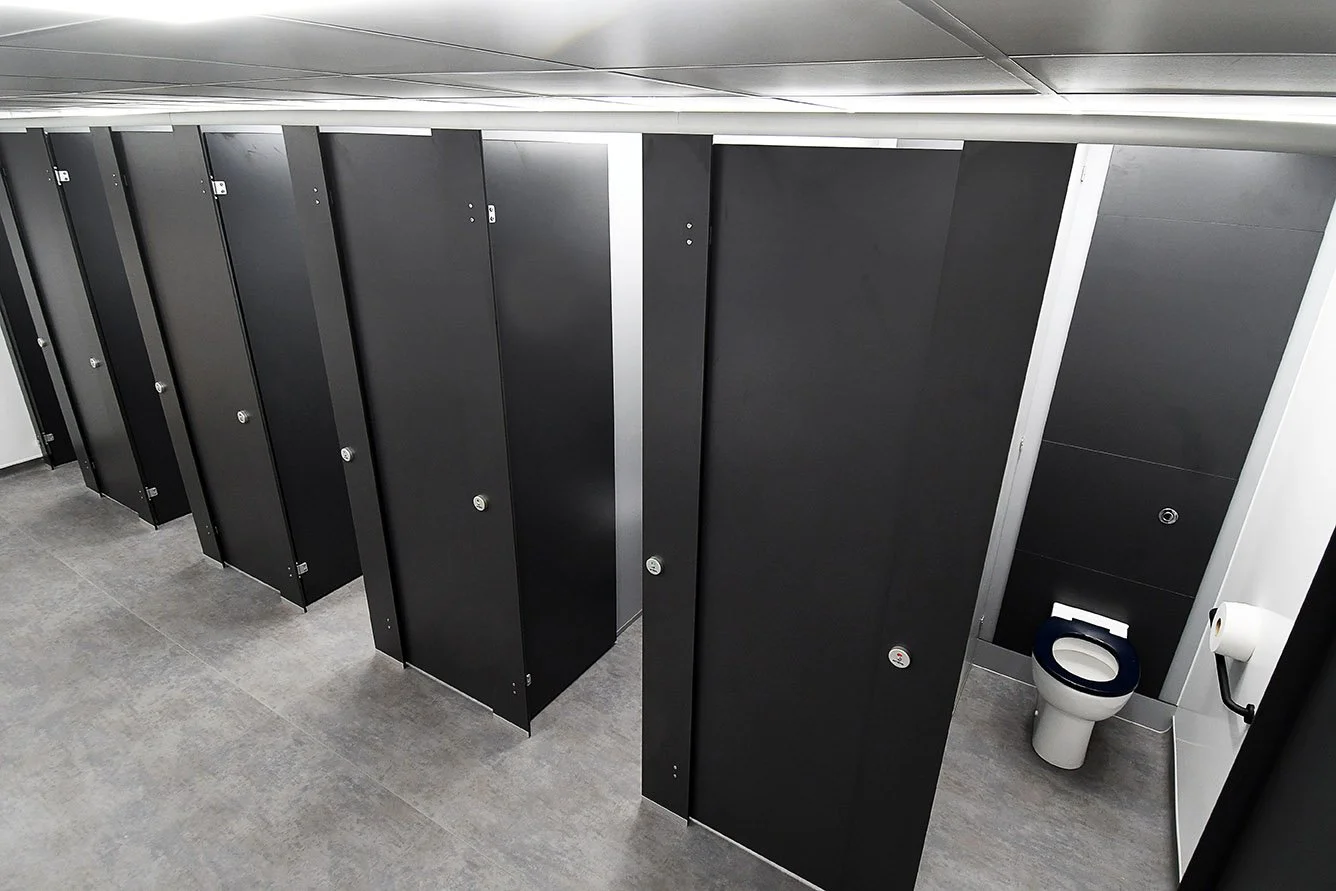
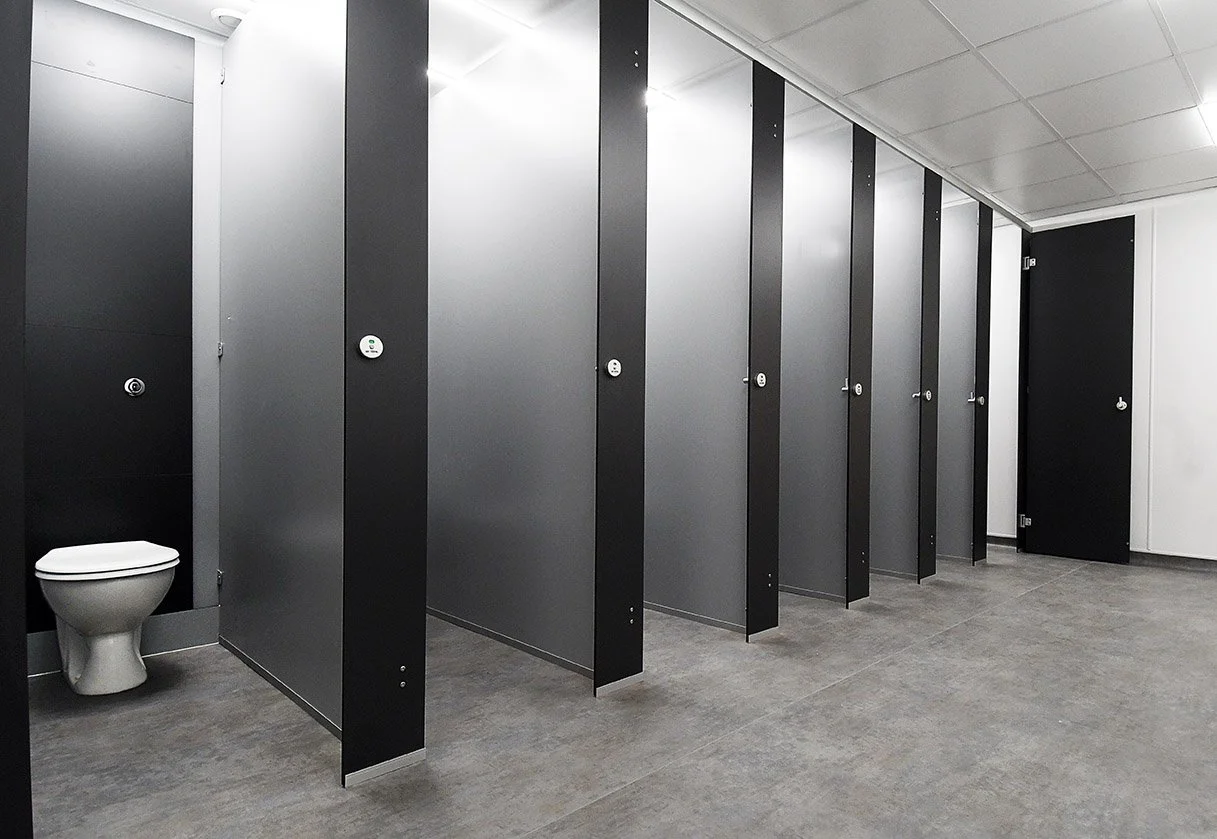
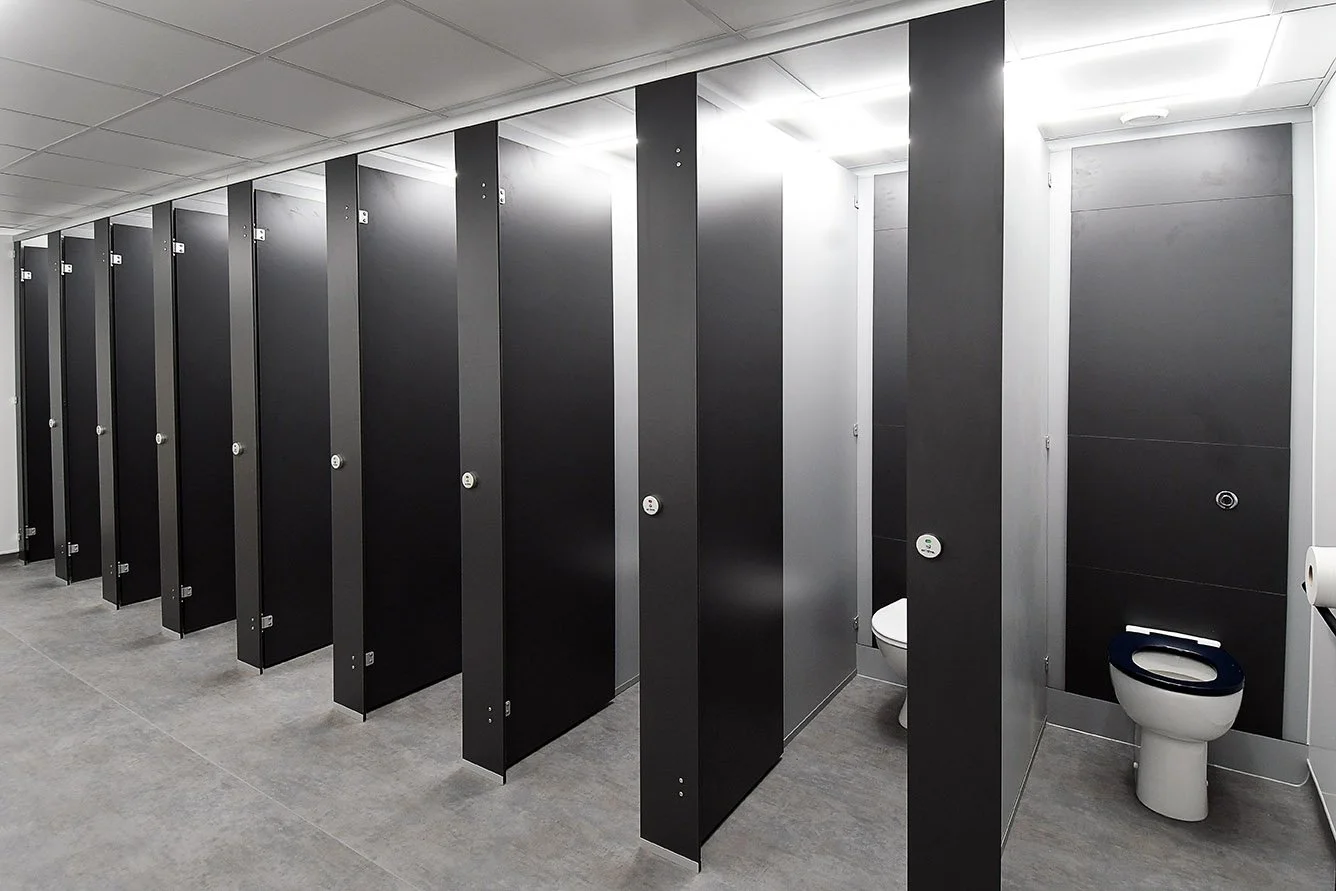
Built for schools. Engineered for hygiene
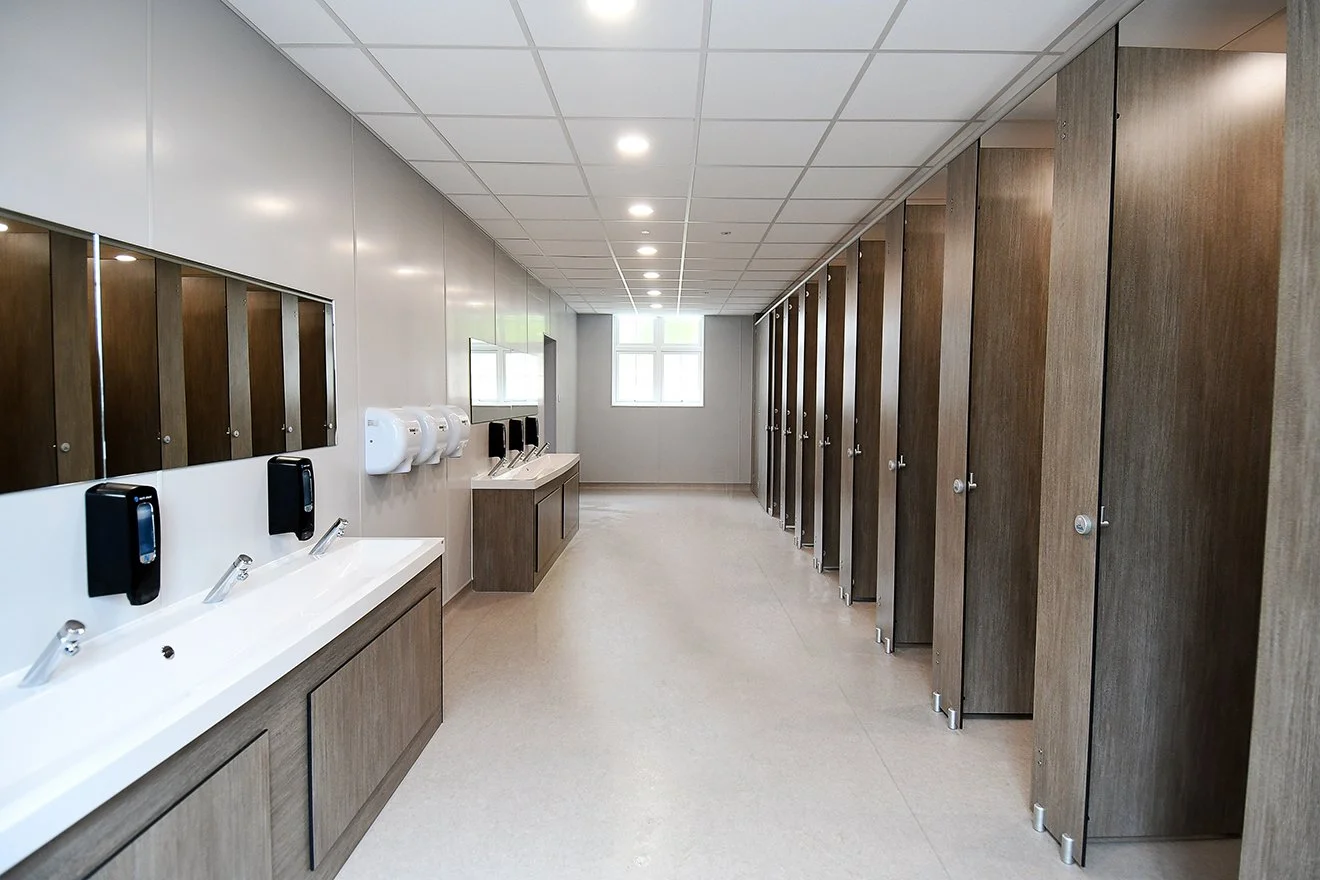
Our toilet cubicles are purpose-designed for high-use school environments. Manufactured from waterproof, self-supporting decorative panels with a solid black core, they offer exceptional resistance to scratches, impact, abrasion, moisture, and humidity, making them ideal for primary schools, secondary schools, colleges, and academies.
To further enhance hygiene standards, our SGL cubicles are available with an advanced SANITISED® antibacterial treatment, proven to eliminate up to 99% of bacteria and reduce the spread of germs in shared washroom spaces.
We also offer Integrated Panel Systems (IPS) to discreetly conceal pipework, cisterns, and services — creating a cleaner, safer, and more hygienic environment, particularly important for younger pupils while improving ease of cleaning and ongoing maintenance.

We recently worked with Cr8tive Washrooms on the refurbishment of student toilets at our college campus, and the experience has been excellent from start to finish.
At Monoux Sixth Form, we worked closely with the Cr8tive team throughout the entire process—from tender and surveying through to project completion—and we have been highly impressed. Their professionalism and openness stood out, but most notably, their communication was consistently clear and proactive.
The project was delivered fully to schedule and budget, and any discussions around amendments to the original specification were handled thoughtfully, with well-informed advice that supported good decision-making.
We will certainly be keeping CR8 Washrooms firmly on our radar for future refurbishment projects across the campus. A truly excellent job and a genuine pleasure to work with.
Matthew, Monoux Sixth Form

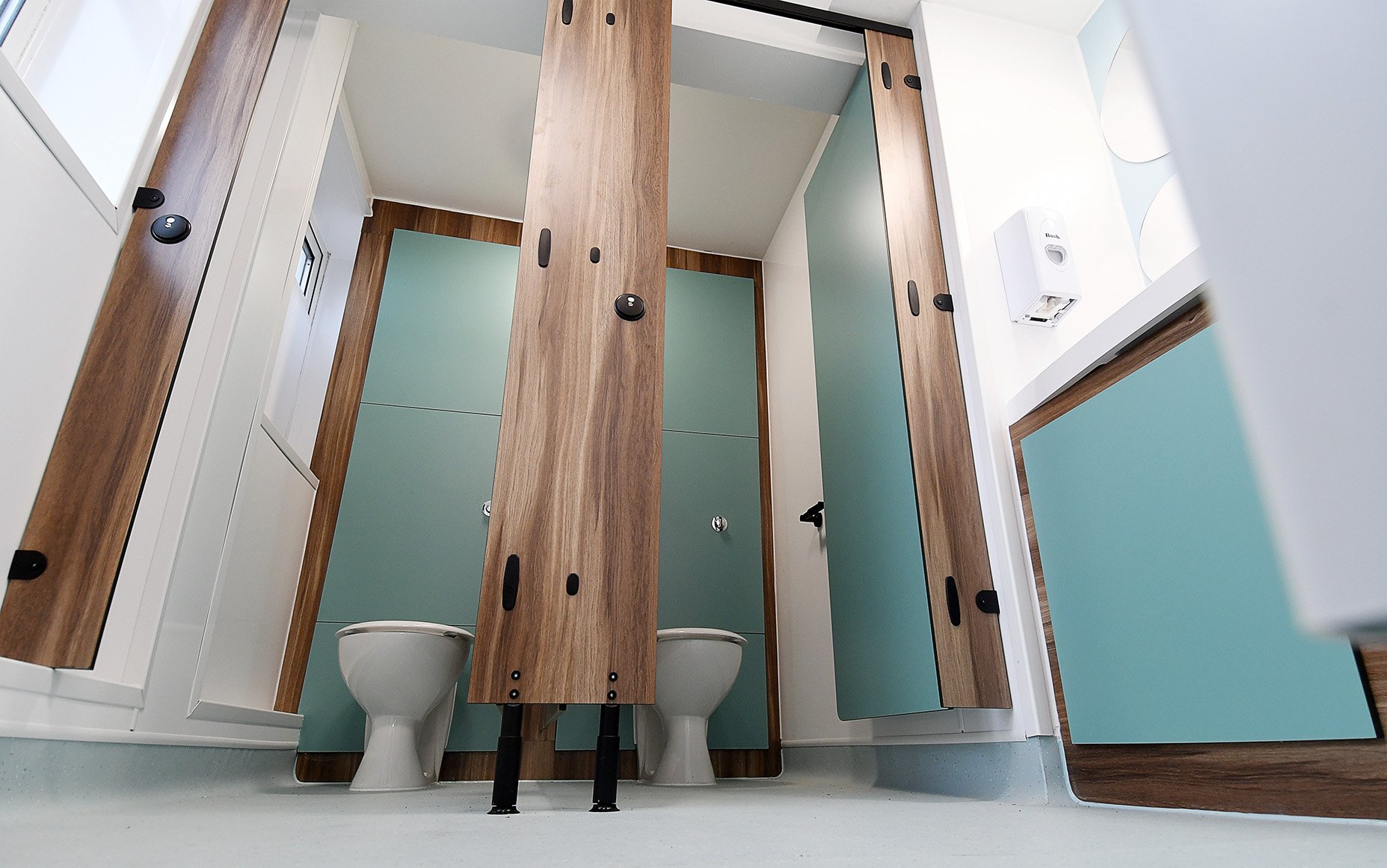
Infant Washrooms
-
Safety, Hygiene & Child-Centred Spaces
Scale and accessibility are key considerations. Fixtures such as toilets, basins, and cubicles must be appropriately sized for small children, enabling them to use the facilities comfortably and safely. Features such as low-level WCs, short-projection pans, and child-height basins encourage independence while reducing the need for staff assistance. Cubicle doors and partitions are typically designed at a reduced height, maintaining privacy for pupils while allowing appropriate staff supervision in line with safeguarding best practice.
Safety is a critical priority in infant washroom design. All fittings should be robust, rounded, and free from sharp edges, with anti-finger-trap hinges, slip-resistant flooring, and surfaces that are easy to clean and maintain. Thermostatic mixing valves (TMVs) are essential to control water temperatures and prevent scalding, ensuring compliance with education and building regulations. Materials must be durable and vandal-resistant, yet welcoming and suitable for young children.
Hygiene and infection control play a central role in early years environments. Effective ventilation, wipe-clean finishes, and a sufficient number of child-accessible handwashing stations help maintain a healthy school setting. Washroom layouts should naturally encourage good hygiene habits, with sinks positioned immediately after toilet use and clear provision for soap dispensers, hand dryers, or paper towel units to support proper handwashing routines
-
Supervision and safeguarding are fundamental considerations in the design of infant school washrooms. Well-planned layouts must allow teachers and carers to discreetly oversee washroom areas without compromising children’s dignity or privacy. Open-plan designs, reduced-height cubicles, and clear sightlines from circulation areas help strike the right balance between privacy, safeguarding, and effective supervision, supporting early years best practice.
The environmental and psychological impact of washroom design should not be underestimated. Bright, welcoming colours, access to natural light, and child-friendly graphics can significantly reduce anxiety and help washrooms feel like a positive, safe part of the school day. The use of warm, non-institutional finishes encourages children to use facilities confidently, supporting toilet training, independence, and emotional wellbeing in early years and infant settings.
Capacity, layout, and flow are also critical. Infant washrooms must provide a sufficient number of WCs and handwashing stations to prevent queues and reduce stress, particularly during peak times such as breaks and lunchtimes. Thoughtful layouts that minimise congestion help maintain calm, safe movement and improve overall hygiene management.
In summary, infant school washroom design goes far beyond basic functionality. It requires a child-centred approach that prioritises accessibility, hygiene, safety, supervision, and wellbeing, while creating supportive environments that help young pupils develop confidence, independence, and positive habits from the earliest stages of their education.

Primary School Washrooms
-
When planning washroom facilities for primary schools, designers must create an environment that supports children’s growing independence, promotes good hygiene, and provides a safe and welcoming space. Unlike infant facilities, primary school washrooms cater to children who are more self-reliant but still developing their personal responsibility, so careful attention must be given to both functional and psychological aspects of design.
Scale and suitability are important. By this stage, pupils are taller and more capable of using near-standard fixtures, though consideration should still be given to age-appropriate sizing, particularly for younger Key Stage 1 children. Using a combination of slightly lower fixtures and standard heights can accommodate a wider age range. Cubicles should provide sufficient privacy, with full-height partitions more appropriate for older pupils than the half-height style used in infant schools.
Privacy and dignity become stronger priorities in primary school washrooms. Children are increasingly aware of personal boundaries, so doors and partitions must offer proper screening. At the same time, designs should incorporate sightlines or open circulation areas near the entrance to allow a level of passive supervision, deterring antisocial behaviour without compromising individual privacy.
Safety and safeguarding remain essential. Thermostatic mixing valves are still required to prevent scalding, and anti-finger-trap hinges, non-slip flooring, and robust fittings continue to be necessary. Good visibility at entry and exit points, combined with clear separation of boys’ and girls’ facilities (or unisex cubicles in some modern layouts), contributes to safeguarding
-
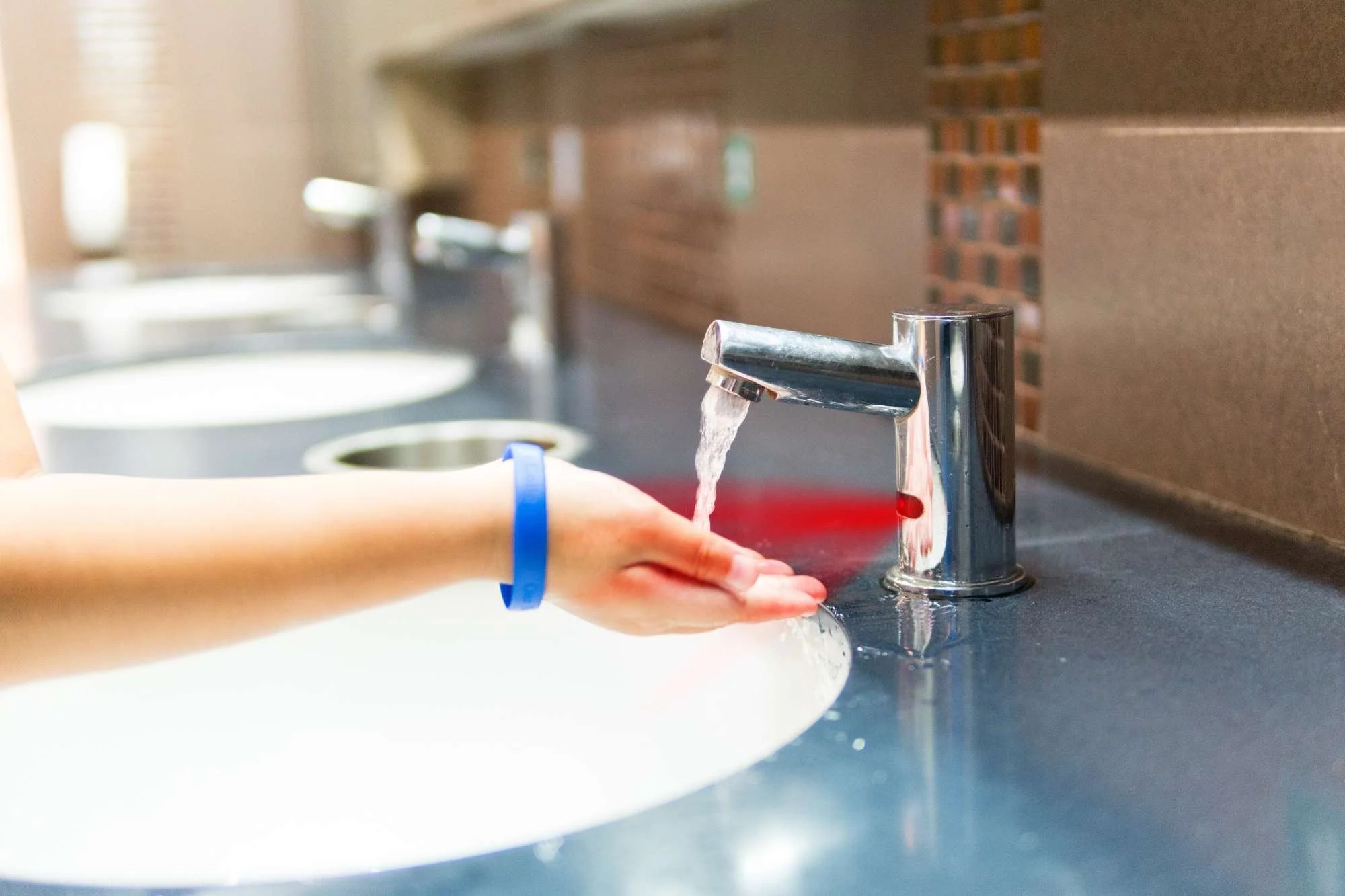
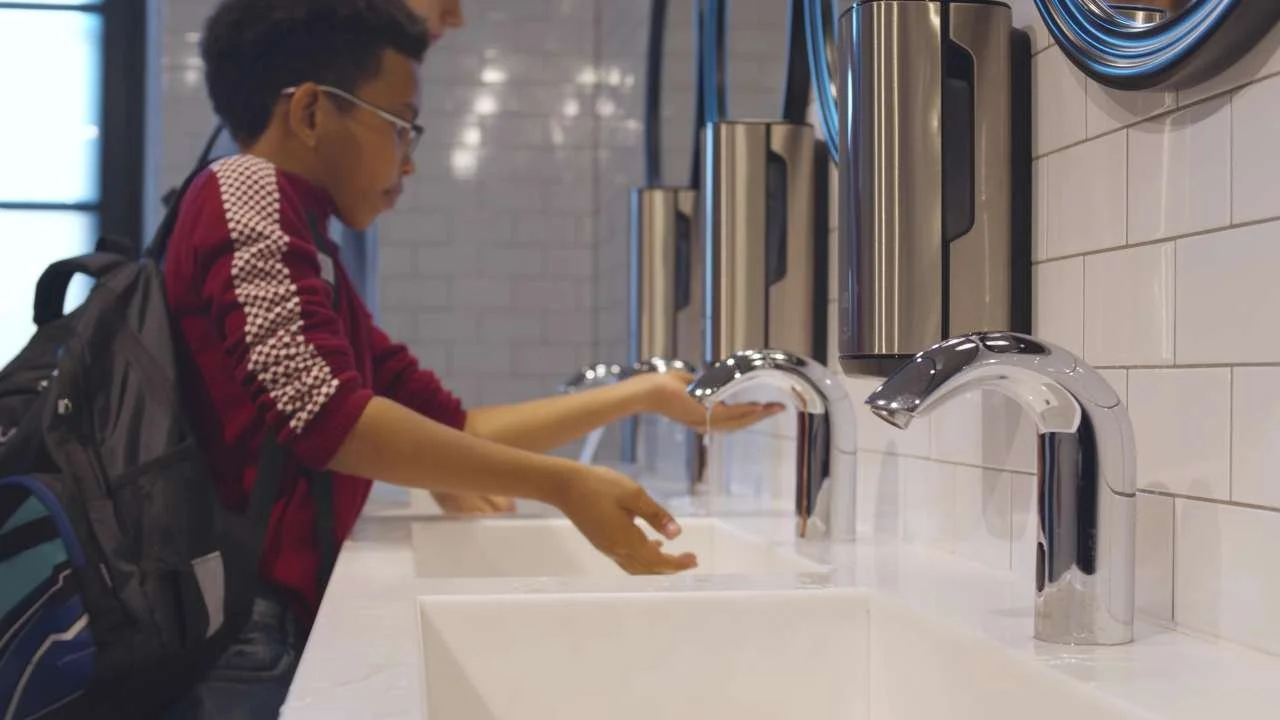
Hygiene and health promotion are central to supporting children’s development of good habits. Washrooms should provide plentiful, well-placed handwashing facilities, with soap and drying provision that is easy for pupils to access and use independently. Durable, easy-clean surfaces and good ventilation reduce the risk of infection spread. Designers should also consider touch-free taps, flushes, and dryers where possible, to encourage better hygiene and reduce maintenance.
The environment and atmosphere of primary school washrooms can strongly influence how pupils use the space. A bright, clean, and modern look creates a positive perception and discourages misuse. Colour coding and signage can help younger pupils identify facilities easily, while natural light or well-designed artificial lighting avoids the dark, enclosed feel that can cause anxiety.
Finally, capacity and flow management is crucial. Primary schools experience busy washroom use at break and lunchtimes, so layouts must avoid bottlenecks. Adequate cubicle numbers, sensible circulation space, and clear zoning of handwashing areas help manage large groups efficiently.
In summary, the design of primary school washrooms must evolve from the highly assisted approach of infant facilities towards spaces that balance privacy, hygiene, safety, and independence. A well-designed washroom environment contributes not only to children’s health and wellbeing but also to their confidence, self-reliance, and positive school experience.

Secondary School washrooms
-
At secondary level, washroom design must respond to the needs of older pupils, who require privacy, safeguarding, durability, and inclusivity. Students at this age are highly aware of personal dignity and social dynamics, so creating safe, hygienic, and private facilities is essential for wellbeing and confidence. Increasingly, schools are moving towards unisex washrooms as a way to improve inclusivity, supervision, and efficiency.
Privacy and dignity are paramount. Unlike in infant or primary schools, secondary washrooms must provide full-height cubicles with floor-to-ceiling partitions and lockable doors. These create private, self-contained spaces that respect young people’s growing need for autonomy and confidentiality. Where urinals are used, they should be carefully screened or avoided altogether in unisex layouts to maintain dignity.
-
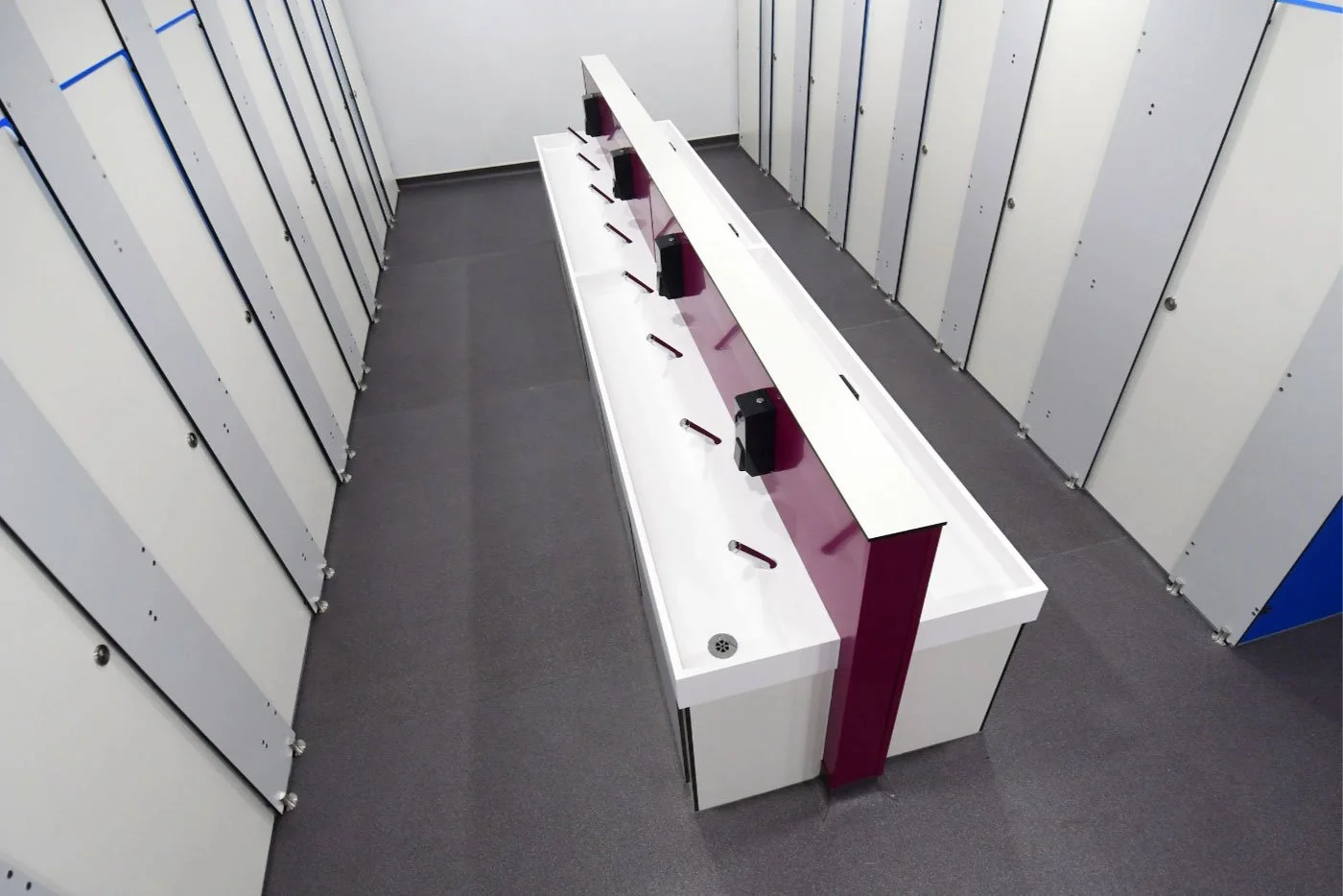
Unisex design has become an effective solution to both safeguarding and inclusivity. A central handwashing and circulation area, open to corridor sightlines, allows for natural supervision and discourages antisocial behaviour. Cubicles open directly onto this shared space, ensuring staff can monitor entrances without entering private areas. This model also addresses gender balance, removes stigma for transgender or non-binary pupils, and allows flexible use during busy times.
Safety and safeguarding remain critical. Layouts must eliminate concealed or poorly supervised areas, while still providing privacy inside cubicles. Durable, anti-vandal materials and robust fittings are essential to withstand heavy use. Slip-resistant flooring, thermostatic mixing valves, and well-placed lighting reduce risk of accidents and help pupils feel secure.
Hygiene and infection control are particularly important in secondary schools, where usage volumes are higher. Generous provision of sinks or wash troughs, touch-free taps and flushes, and reliable hand-drying facilities encourage proper hygiene and reduce queueing. Easy-to-clean finishes, good ventilation, and accessible waste disposal points help maintain cleanliness and reduce odours.
The environment and atmosphere of secondary washrooms can significantly affect how pupils treat the space. Bright, modern, and well-lit facilities discourage vandalism and promote respect for the environment. Design choices that feel more commercial or contemporary – such as solid partitions, LED lighting, and resilient finishes – communicate that the facilities are valued spaces, not neglected corners of the school.
Capacity and efficiency are also key. Unisex washrooms, with shared handwashing areas and flexible cubicle use, can handle peak demand more effectively than gender-segregated layouts. This reduces queues, makes supervision easier, and optimises available space.
In summary, secondary school washrooms – especially when designed as unisex facilities – must deliver a balance of privacy, dignity, inclusivity, and safety, while being durable enough for high usage. The shift towards unisex models with open-plan wash areas and fully enclosed cubicles creates a safer, fairer, and more efficient environment that supports the needs of all students.
Why choose a specialist washroom refurbishment contractor?
We are redefining washroom design within the education sector, delivering innovative, future-ready solutions that raise the standard for functionality, durability, safety, and inclusivity. Every school washroom refurbishment is carefully designed to support modern learning environments while withstanding the demands of high-use educational settings.
Our team is committed to design excellence, full compliance with education and building regulations, and accessibility for all users. From primary schools and academies to colleges and higher education facilities, we create safe, welcoming, and practical washroom spaces that enhance daily use for students, staff, and visitors alike.
By combining thoughtful design, robust materials, and sector-specific expertise, we deliver school washrooms that are built to last, easy to maintain, and aligned with safeguarding and inclusion best practices.
Case studies
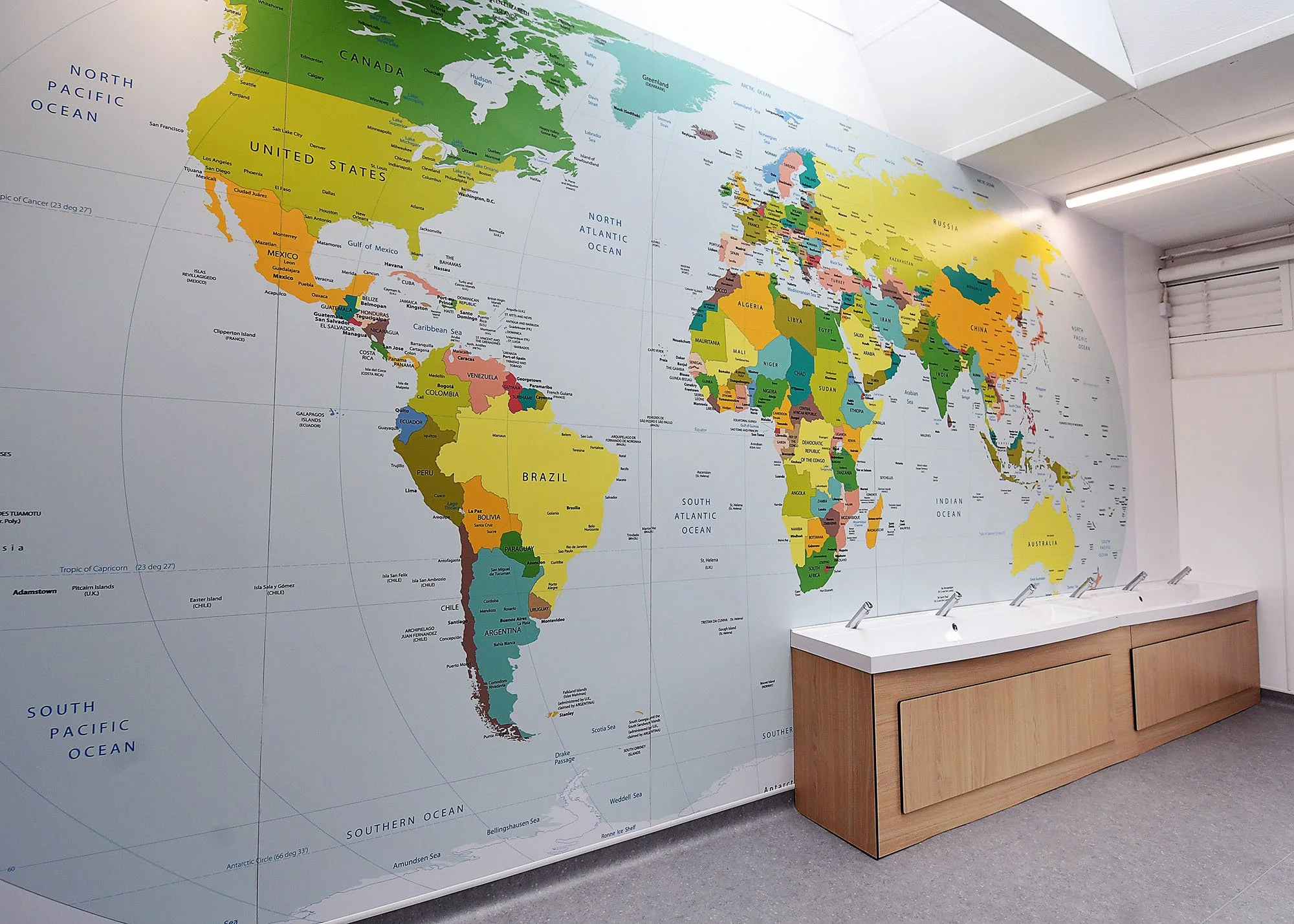
Prince of Wales Primary School
Cr8tive Washrooms were appointed to deliver a full turnkey washroom refurbishment at Prince of Wales Primary School in Enfield, transforming outdated facilities into a modern, durable, and engaging environment designed specifically for primary school pupils.
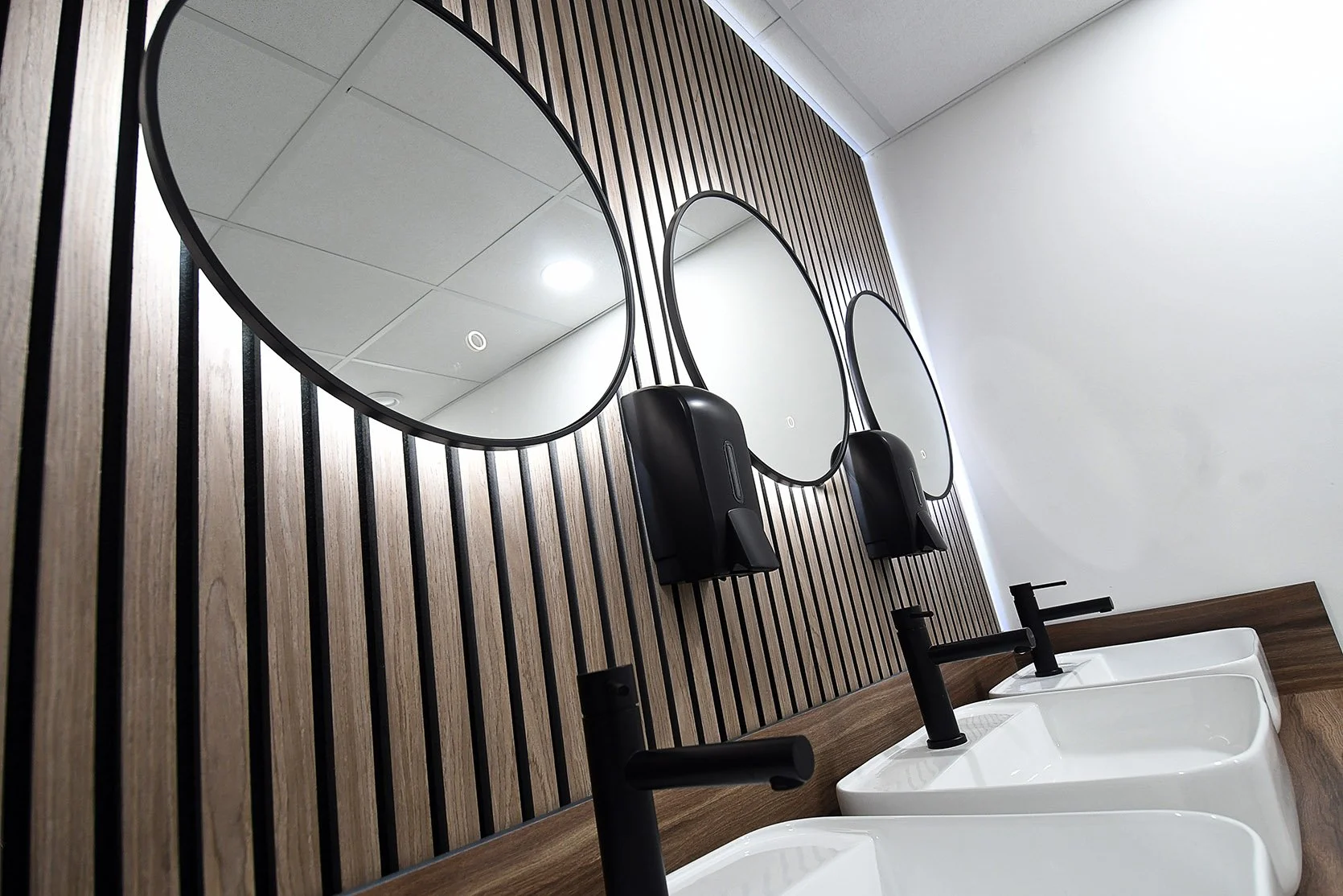
John Leggott College
Our transformation of the staff washrooms within John Leggott College shows that not all places of work need to be dull. This project was increasing the capacity of the washrooms by increasing the number of washroom cubicles within both male and female facilities.
Wootton Upper School
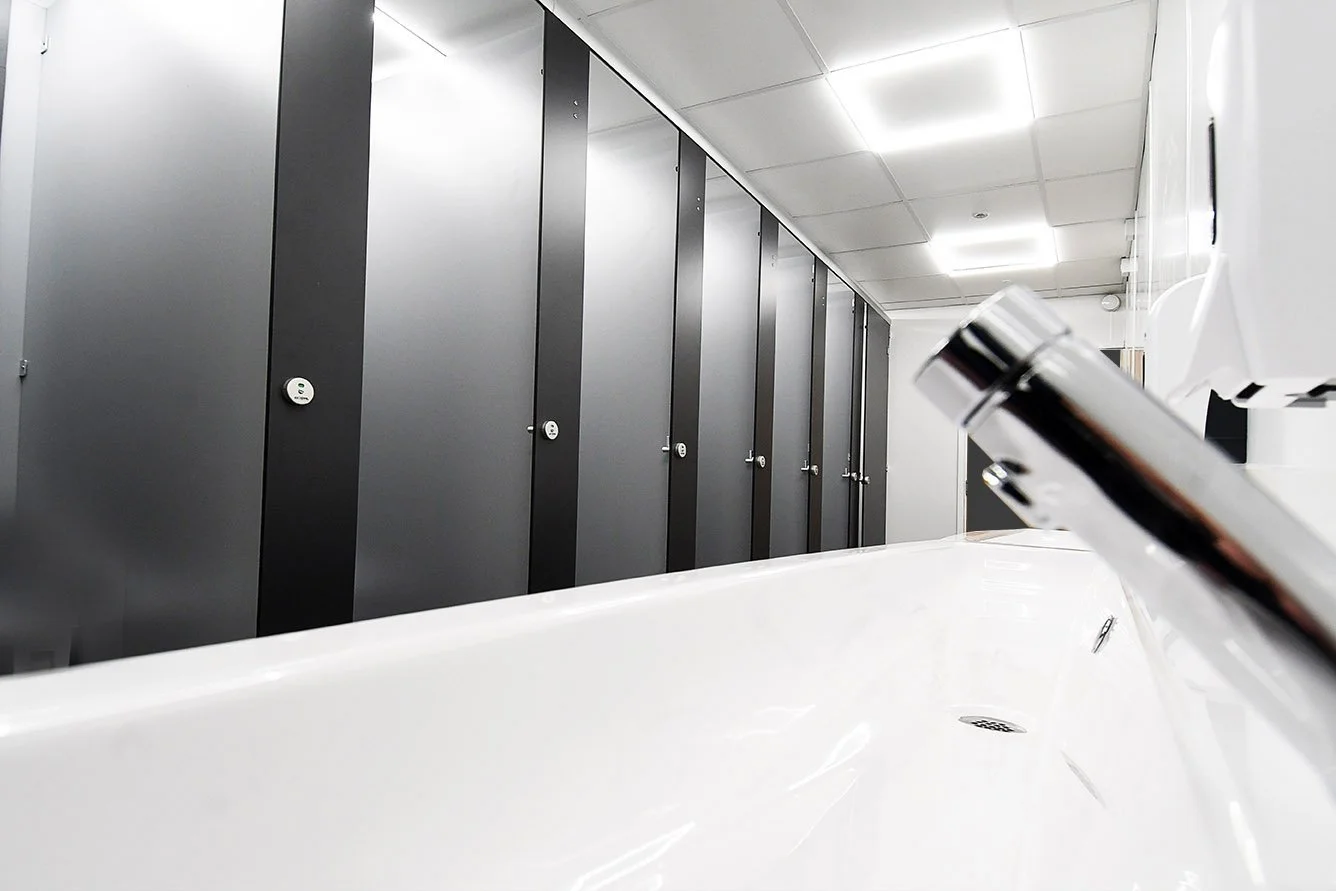
The scope of work was to increase pupil washroom capacity at Wootton Academy in Bedfordshire. This was achieved by adapting four staff washroom facilities by removing internal dividing walls to create a large male and female washroom facility, with added privacy for the pupils.
Frequently Asked Questions
-
Costs depend on the size of the washroom, number of cubicles, materials and specification. We provide tailored quotes designed to maximise durability, hygiene and long-term value within education budgets.
-
Timelines vary by project scope, but most school refurbishments are completed within a few days to several weeks. We can schedule works during holidays or out-of-hours to minimise disruption.
-
Yes. All of our designs meet relevant UK regulations, including accessibility requirements and safeguarding considerations, ensuring safe and inclusive facilities for pupils and staff.
-
Absolutely. Cr8tive Washrooms tailor layouts, cubicle sizes and finishes to suit primary schools, secondary schools and colleges, ensuring practical, age-appropriate and durable solutions.