

7 benefits of touchless washroom technology in schools
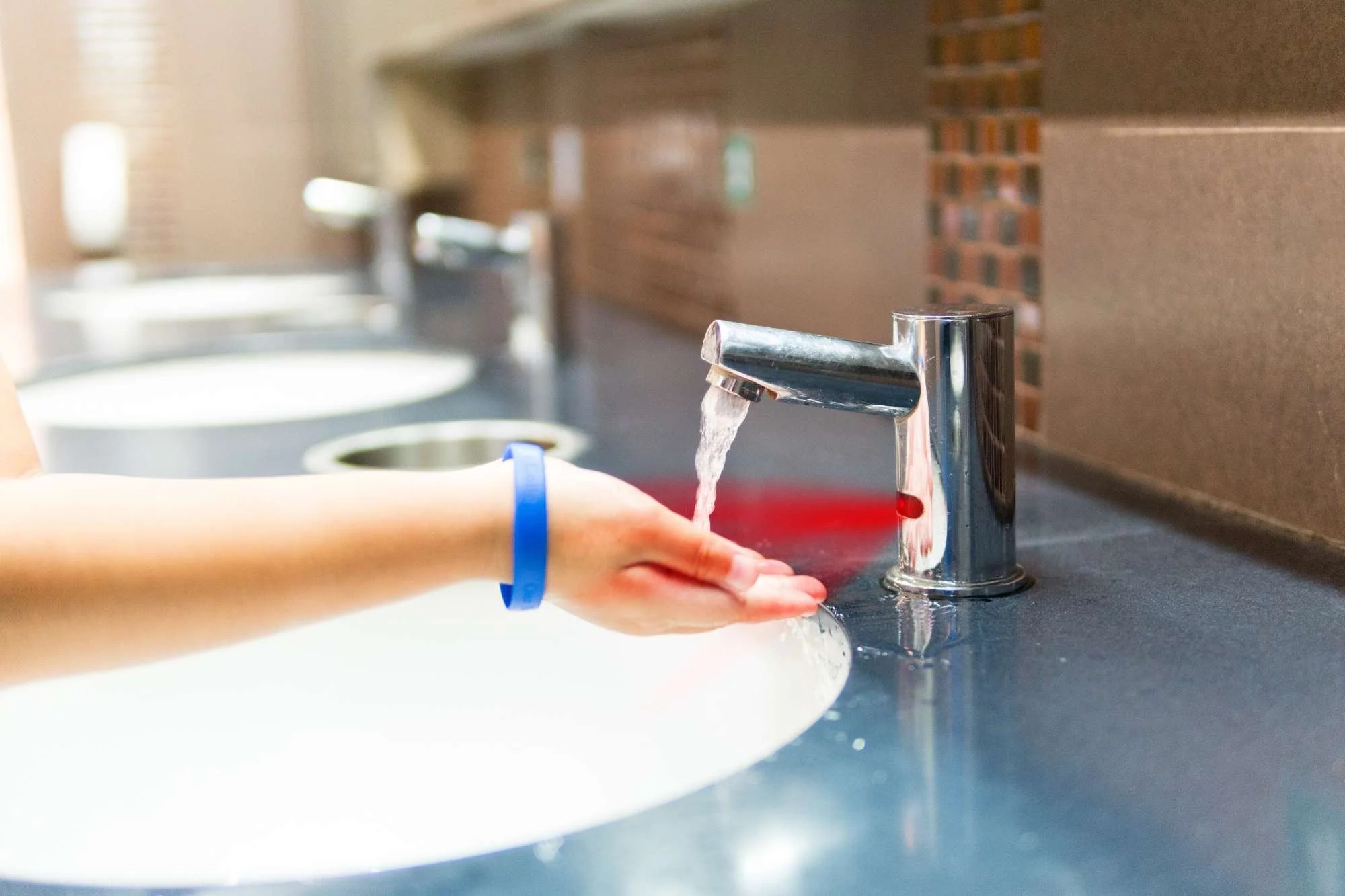
From classrooms to car parks, schools are expected to provide safe, hygienic and inclusive spaces for students and staff across the property. While classrooms, technology suites, and sports facilities often receive the most significant attention and investment, school washrooms are equally, if not more important, spaces as these can directly influence the health, well-being, and comfort of all users.
In recent years, touchless washroom technology has become an increasingly popular and important solution within educational settings. From sensor-operated taps and soap dispensers to automatic flush systems and touch-free hand dryers, these fixtures and fittings help schools to improve their hygiene standards while also reducing maintenance requirements and operational costs.
As schools continue to find new ways to improve their facilities and prioritise student health and well-being, touchless washroom solutions are a practical and future-ready investment. If your school toilets could use an upgrade, here are seven benefits of introducing touchless washroom technology.
What do we mean by touchless washroom technology?
Touchless washroom technology refers to the different fixtures and fittings that operate automatically using a sensor rather than requiring physical human touch. Some of the most common and popular examples found in modern washrooms include:
Sensor-activated taps
Automatic soap dispensers
Touch-free toilet flush systems
Sensor-operated urinal flushes
Hands-free hand dryers
Automatic bins
Touchless door entry and exit systems
But why should you consider a washroom refurbishment project, and what are the benefits of installing this type of touchless technology in your school bathrooms?
1. Improving hygiene
One of the biggest benefits of touchless washroom technology is its ability to improve hygiene standards and reduce the spread of germs.
School washrooms can be very high-traffic areas where students frequently come into contact with shared surfaces. Traditional taps, flushes, soap dispensers and door handles can become hotspots for germs and bacteria to build up and spread.
Touchless systems eliminate many of these contact points, helping to reduce cross-contamination between students and stop the spread of germs, which can quickly make the student population ill.
2. Reducing rates of absenteeism
When illness spreads through a school, the impact can be significant. Students who become ill and need time off are missing important lessons, and even worse, if teachers become ill, it can create operational challenges, disrupt students further and increase costs.
In a school environment, lots of people interact closely throughout the day, making it a bigger challenge to stop the spread of germs. However, touchless fixtures reduce contact with frequently used surfaces and play an important role in slowing the spread of germs and reducing absenteeism.
But that’s not all, it has been well documented in recent years that dirty, damaged and neglected school toilets are having a huge impact on student well-being and safety.
A 2021 report from Domestos found that in the UK, 90% of children faced issues with their school facilities, causing anxiety and, as a result, absence from school. Lots of students were refusing to eat or drink during the school day in order to avoid using the facilities, and others skipped school altogether.
By modernising your school washrooms with the latest touchless technology, you can create safe, comfortable and welcoming spaces that students feel happy to use during the day, further reducing rates of absence.
3. Encouraging better handwashing behaviour
Children and teenagers are more likely to wash their hands correctly when facilities are easy to use and readily accessible.
Traditional washroom fixtures sometimes create barriers to effective hand hygiene. Students may want to avoid touching taps after washing their hands, or they may use inadequate amounts of soap when doing so. Touchless systems remove these obstacles by automating key stages of the handwashing process, making handwashing easier and more convenient and subsequently encouraging better hygiene.
What’s more, sensor-operated soap dispensers provide consistent and adequate amounts of soap, while automatic taps deliver water only when needed. The result is a smoother and more intuitive handwashing experience that supports good hygiene habits from an early age.
For schools hoping to promote positive health and handwashing behaviours, touchless technology in your washrooms can reinforce hygiene education programmes in a practical way.
4. Lowering water and energy consumption
Sustainability is becoming a major priority across every sector – education included. Schools are under increasing pressure to reduce their environmental impact while also managing tight budgets.
Touchless washroom technology can directly contribute towards sustainability goals by reducing unnecessary water and energy wastage.
Unlike manual taps that can be left running, sensor-operated taps turn off automatically when they are no longer in use. This prevents water wastage and helps schools lower utility bills.
Similarly, automatic flush systems are programmed to use less water than older conventional systems. These touch-free fixtures can significantly reduce water consumption by delivering only the amount required for each use.
For schools working towards environmental targets or sustainability certifications, these savings can be substantial over the years.
5. Reducing maintenance and cleaning requirements
School washrooms are used a lot throughout the day, often by hundreds of students, which can place significant demands on cleaning and maintenance teams.
Touchless fixtures help reduce wear and tear as users are not constantly pushing buttons, pulling handles, or twisting taps. Fewer moving parts typically mean fewer maintenance issues and longer lifespans for all your fixtures.
Not only that, but reducing the need for physical contact with surfaces can help minimise the build-up of dirt, fingerprints, and bacteria. This makes them easier to clean and means the cleaning team can focus their efforts more efficiently elsewhere.
6. Enhancing accessibility and inclusivity
Creating inclusive environments is a key consideration in most modern school designs, and touchless washroom technology can make facilities easier to use for students with disabilities, younger children, and individuals with limited mobility or dexterity.
Sensor-operated fixtures require less physical effort and can remove barriers associated with traditional manual controls. So, by incorporating touchless technology into accessible washroom designs, schools can create facilities that are more comfortable and convenient for all users.
This aligns with broader goals of inclusivity while also ensuring compliance with accessibility regulations and best practices.
7. Improving student experience and perception
The condition of your school's washrooms has a direct impact on how your students perceive their environment and, therefore, how they treat it.
Clean, modern, and well-maintained bathrooms contribute to a positive experience and can massively influence student well-being. Whereas outdated or poorly maintained washrooms can negatively affect comfort and satisfaction.
Touchless technology creates a more modern and professional appearance while demonstrating your school’s commitment to student health and happiness.
Features such as automatic taps, sensor-operated soap dispensers, and touch-free hand dryers can instantly make your facilities feel cleaner, safer, and more welcoming for all users.
Is it time to future-proof your school washrooms?
As expectations around hygiene, sustainability, and accessibility continue to evolve in the school environment, touchless washroom technology is becoming a standard feature in many modern educational facilities.
Schools that invest in smart washroom solutions are not only improving hygiene standards but also creating more efficient, sustainable, and user-friendly environments for students and staff long into the future.
At Cr8tive Washrooms, we help schools create innovative washroom environments that combine hygiene, durability, accessibility, and modern design.
So, whether you’re planning a complete refurbishment or upgrading your existing facilities, get in touch today to find out more about the services we offer and how we can seamlessly integrate touchless washroom technology into your school bathrooms.