

What are the legal requirements for school toilets in the UK?
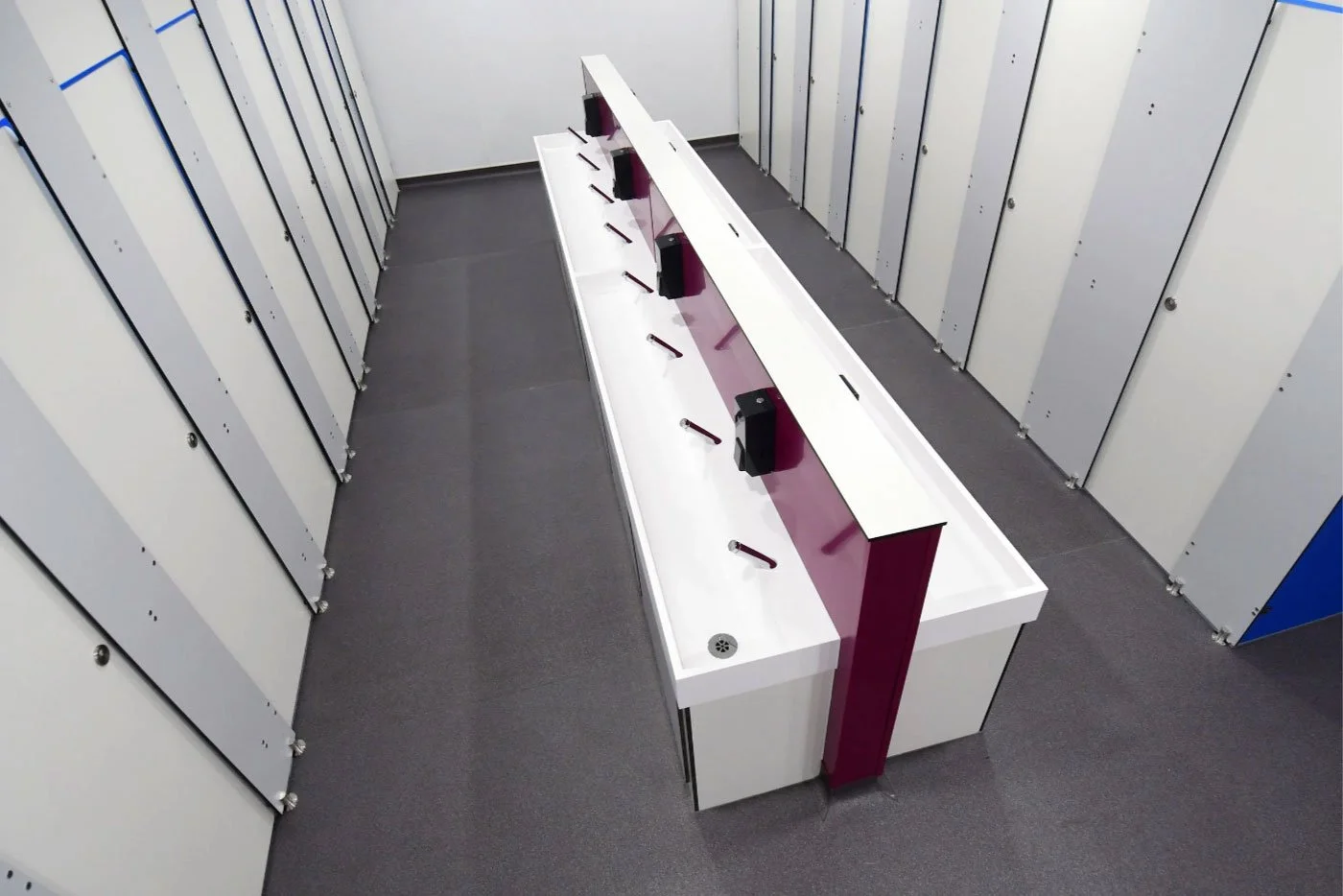
A complete guide to school washroom regulations, privacy and floor-to-ceiling toilet cubicles.
InSchool bathrooms have become one of the most discussed areas of educational facility design in recent years. From privacy and safeguarding concerns to accessibility and inclusion, schools are under increasing pressure to provide school washrooms that meet the needs and expectations of modern students while remaining compliant with UK regulations.
One question that has come to the forefront recently amongst many schools, parents and facility managers is whether floor-to-ceiling toilet cubicles are now a legal requirement for pupils over the age of eight.
In this guide, we'll explore why school washrooms have become such a talking point, what the current legislation actually says, and how schools can create safe, practical and future-proof washrooms for pupils of all ages.
Why have school washrooms become such a major topic of conversation?
School toilets (along with those used by the public in shared spaces) have become a significant talking point over the past decade for a number of reasons.
While washrooms have always been an important part of educational facilities, today's schools face new challenges that previous generations simply didn't encounter or certainly didn’t discuss.
One of the biggest factors is the widespread use of smartphones among children and teenagers. With more pupils carrying mobile devices than ever before, concerns around privacy, photography and inappropriate behaviour in these spaces have increased dramatically. As a result, schools are paying far greater attention to how washrooms are designed and managed.
There has also been an ongoing discussion surrounding the provision of unisex or gender-neutral facilities in many public places. While some schools and organisations support greater flexibility and inclusivity in washroom design, others believe traditional separate facilities remain the most appropriate solution. This debate has put even more focus on privacy, safeguarding and compliance.
Student well-being and mental health have also become a much higher priority across the education sector. Schools are increasingly recognising that poorly designed and badly maintained washrooms can have a direct and negative impact on student confidence, comfort and health. Pupils who feel uncomfortable or unsafe using school toilets may avoid them altogether, potentially creating health and welfare concerns.
Accessibility and inclusion have also become central considerations in modern school design. Educational facilities are expected to accommodate the needs of all students, including those with disabilities, sensory needs and additional support requirements.
Social media trends have added another challenge for education staff in recent years, with online trends on TikTok and other platforms encouraging vandalism or disruptive behaviour. This has highlighted the importance of durable materials, effective supervision and thoughtful design.
Together, all of these factors have transformed school washrooms from a basic functional requirement into an important part of the overall student experience and proved they play a key role in student health and well-being.
Have the legal requirements for school toilets changed?
Despite this growing discussion around privacy and safeguarding, there is often confusion about what UK legislation actually requires of schools — what is law and what is simply preference?
The key regulations governing school toilets in England remain the School Premises (England) Regulations 2012, alongside guidance issued by the Department for Education (DfE).
Under current regulations:
Separate toilet facilities must be provided for boys and girls aged eight and over
An exception exists where a toilet is provided in a single-occupancy room that can be locked from the inside and should only be used by one pupil at a time. These are generally self-contained rooms
Suitable toilet and washing facilities must be available for all pupils, staff and visitors
Accessible facilities must be provided for disabled users
Changing accommodation and showers must be suitable and appropriately separated between boys and girls for pupils aged 11 and over
It is, however, worth noting that there is currently no general legal requirement stating that all toilet cubicles for pupils over the age of eight must be floor-to-ceiling.
As more and more schools explore unisex or gender-neutral washroom layouts, many have adopted or considered fully enclosed floor-to-ceiling cubicles to maximise privacy. This approach is often viewed as the most practical way to create spaces that function similarly to individual lockable rooms.
Some have considered that where washroom facilities are intended to meet the regulations relating to single-occupancy use, full-height toilet cubicles may allow them to achieve the required level of privacy. However, this does not automatically mean that every school toilet cubicle in the UK must be floor-to-ceiling.
The Department for Education's guidance continues to emphasise safeguarding, privacy, dignity and suitability. Schools must therefore balance compliance with practical considerations, user needs and budget constraints when planning any washroom upgrades in the future.
Understanding DfE School Toilet Regulations
The Department for Education provides detailed guidance covering the design and provision of school washrooms. The guidance addresses a wide range of considerations, including the adequate number of toilets, separate facilities for different age groups where appropriate, privacy, dignity, safeguarding considerations and more.
The DfE also encourages schools to create environments that students feel comfortable using throughout the school day. Research has consistently shown that clean, stylish and well-maintained washrooms can improve student well-being, reduce absenteeism and lower behavioural issues.
Modern school washrooms are increasingly being designed to strike that balance between privacy and passive supervision. This helps teachers and staff working in the school to better support safeguarding objectives while ensuring pupils feel secure and comfortable at all times.
Are floor-to-ceiling cubicles a good idea in schools?
Though they may not be required by law, floor-to-ceiling cubicles have become increasingly popular in educational settings and can be very beneficial.
The most obvious advantage is improved privacy. Full-height cubicles eliminate gaps above and below doors, helping students feel more comfortable and reducing anxiety around using school toilets. This has become particularly important in the era of slim smartphones that can easily be slipped through gaps.
This enhanced privacy can also be particularly beneficial for older pupils, students with additional needs and schools seeking to create more safe, inclusive environments.
Floor-to-ceiling cubicles can also support modern washroom layouts where schools wish to provide greater flexibility in facility design. They create a more individualised experience while helping to address concerns around dignity and personal space.
However, there are some considerations you need to take into account before implementing these cubicles in your school washrooms.
Full-height cubicles typically involve higher installation costs and ventilation requirements may need additional attention, particularly in high-traffic environments.
Schools must also consider that while privacy is important, designers should ensure that washroom layouts still support appropriate supervision and risk management strategies.
Ultimately, there is no one-size-fits-all solution. The best approach to your school washroom refurbishment will depend on the age range of pupils, the layout of the building, safeguarding policies and the specific objectives of the school.
For many educational settings, a carefully planned combination of privacy, durability, accessibility and practical supervision will provide the most effective outcome.
How Cr8tive Washrooms can help
At Cr8tive Washrooms, we understand that designing school facilities requires much more than simply installing new toilet cubicles.
With more than 20 years of industry experience, our team works closely with schools, academies, colleges and educational organisations to create washroom environments that meet regulatory requirements while supporting student well-being, privacy and safety.
Our comprehensive service includes:
Bespoke school washroom design
Toilet cubicle systems for all age groups
Floor-to-ceiling cubicle solutions
Accessible washroom facilities
Changing room and locker room fit-outs
Full installation and project management.
Durable, low-maintenance materials designed for high-traffic educational environments
We understand the challenges that schools are facing right now when trying to balance safeguarding, privacy, accessibility and budget considerations. Our experienced team can advise on the most suitable solutions for your facility while ensuring compliance with all relevant regulations and best practice guidance.
Whether you're planning a complete washroom refurbishment, upgrading existing facilities or exploring the benefits of floor-to-ceiling cubicles, Cr8tive Washrooms can help you create modern, practical and future-ready school washrooms that support both students and staff. Get in touch today to find out more or for a tailored quote.