

Prioritising hygiene: Washroom design essentials for healthcare facilities
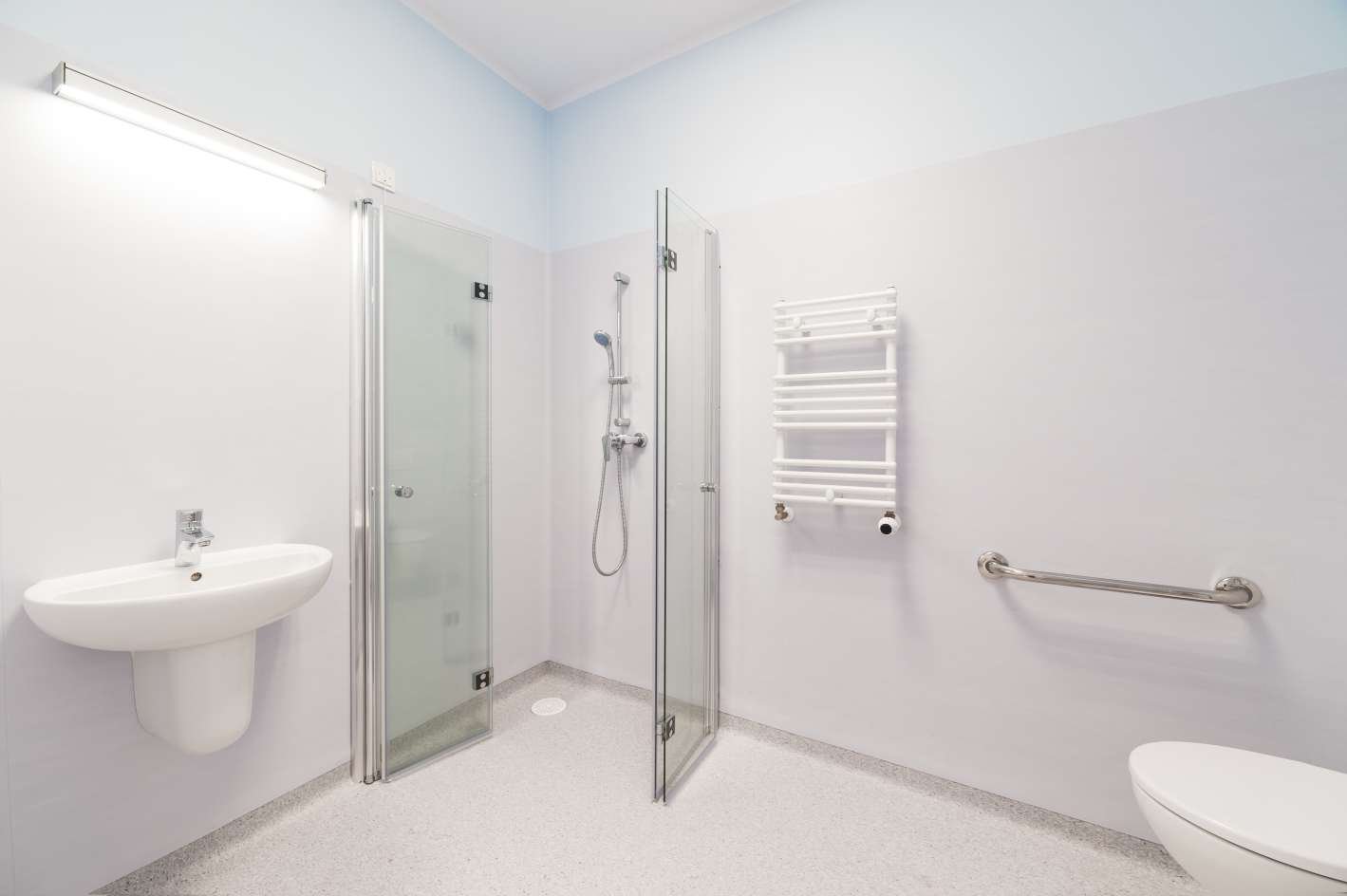
In any healthcare environment, hygiene should be the top priority. That’s why it’s so important that the design of your healthcare washrooms incorporates the right materials and touch-free technology, is easy-to-clean and is accessible to all.
Hospitals, clinics and care settings experience heavy use from patients, guests and healthcare professionals. That’s why the washrooms within these facilities are some of the most critical areas to get right, ensuring the highest standards of cleanliness at all times.
Effective washroom design plays a major role in reducing the buildup of dirt and debris, as well as the spread of harmful bacteria. Through careful planning, you can improve safety and ensure compliance with strict healthcare regulations.
From choosing the right materials to installing touch-free technology, thoughtful washroom design can transform these spaces into hygienic, efficient and durable environments that support the demanding nature of the healthcare industry.
Plus, by choosing a bespoke design, you can create spaces that help users feel safe, comfortable and that reflect the values of your healthcare setting. In this latest guide, we share the design essentials that help prioritise hygiene and protect every user.
Why hygiene-focused washroom design matters
Healthcare settings present their own unique challenges when compared to your typical public or commercial bathrooms. These facilities will welcome a wide range of users, including vulnerable patients with weakened immune systems, meaning infection prevention must always remain a top priority.
Not only that, but hospital washrooms can be high-traffic spaces that must accommodate patients with varying mobility needs, healthcare staff working long shifts and visitors throughout the day. This heavy usage increases the risk of bacteria spreading and accidents happening if the facilities are not thoughtfully designed.
Because of these risks, healthcare washrooms must meet strict guidelines. By incorporating hygienic design principles from the outset, healthcare facilities can stay one step ahead and create safer environments for everyone who uses them.
1. Durable and hygienic materials
When you start the design process, choosing the right materials is one of the most important decisions you can make for your healthcare washrooms. Every surface must be able to withstand frequent cleaning with strong disinfectants while preventing bacteria from accumulating.
This makes smooth, non-porous materials a must as they do not absorb moisture and are far easier to clean. They also help prevent bacteria from settling and multiplying on cracks, gaps or creases in the surface.
With this in mind, some of the most common materials used in healthcare settings include:
Solid Grade Laminate (SGL) – Highly durable, water-resistant and easy to maintain
Stainless steel – Hygienic and resistant to corrosion
Solid surface materials – Seamless and easy to clean
PVC and specialist laminates – Designed for high-moisture environments
These materials are particularly effective in washroom cubicles and integrated panel systems (IPS) where durability and hygiene must go hand in hand.
They also help facilities withstand heavy daily use without deterioration and come in a range of colours and finishes, so you can still choose the style that reflects your brand and commitment to all users.
2. Design for easy cleaning and maintenance
In most healthcare settings, the bathrooms will be cleaned multiple times a day, and the design needs to reflect this. It should make cleaning and maintenance as efficient and easy as possible.
This means reducing “dirt traps” like joints, gaps and awkward corners where dirt and bacteria can build. Seamless installations and smooth surfaces allow cleaning teams to work quickly and effectively to ensure the highest possible standards of hygiene.
For example, Integrated Panel Systems (IPS) are commonly used in healthcare washrooms because they conceal plumbing and pipework behind sealed panels. This reduces exposed surfaces where bacteria could collect while still allowing easy access for maintenance.
You might also consider:
Wall-mounted toilets and bins that allow easy cleaning of the floor beneath these fixtures
Minimal seams and joints on surfaces like sinks and change tables
Durable finishes that resist strong cleaning chemicals and moisture
Easy access to plumbing systems for repairs and routine maintenance
A design that makes cleaning easier not only improves hygiene but also helps healthcare facilities and their teams maintain compliance with strict healthcare cleaning protocols.
3. Touch-free technology
Limiting the number of touchpoints in washrooms is one of the most powerful and effective ways to reduce cross-contamination. That’s why touch-free fixtures have become increasingly common in healthcare environments, allowing people to use the facilities seamlessly without direct contact. Some of the most popular ways you can incorporate touch-free technology in your healthcare washrooms include:
Sensor taps
Automatic soap dispensers
Touchless toilet flush systems
Automatic hand dryers
Motion-sensor lighting
Swing doors with no handles
You can also get motion sensor locks for toilet cubicle doors, ensuring safety and privacy for users but reducing touchpoints even further.
Installing touch-free technology where you haven’t already can significantly reduce the spread of bacteria between users by minimising shared touchpoints. In fact, many infection prevention specialists believe these systems play a key role in limiting cross-contamination in healthcare environments.
As an added bonus, these solutions also improve efficiency and save on costs by reducing water waste and ensuring soap and hygiene products are dispensed consistently.
4. Safe and accessible design
While important, hygiene is not the only priority in healthcare washrooms. Safety and accessibility are just as crucial and facilities must be accessible for patients with mobility challenges, disabilities or additional support needs.
With that in mind, your washrooms should be designed in line with accessibility standards, such as Approved Document M, to ensure inclusive use. Key accessibility and safety features should include:
Non-slip flooring to prevent falls
Grab rails (at the correct height) for support
Adequate space for wheelchairs and carers
Rounded edges on surfaces and fixtures
Well-positioned sinks and dryers facilities
Ensuring these features are built into your design helps create safe environments for patients and visitors while reducing the risk of accidents in busy healthcare settings.
5. Support effective hand hygiene
If the global pandemic made anything clear, it’s the importance of hand hygiene. This is one of the most effective ways to prevent the spread of infection in healthcare environments, and therefore, washroom design should encourage and support proper handwashing practices.
The most effective hand hygiene stations typically include:
Touch-free taps
Automatic soap dispensers
Paper towel dispensers
Splash-free basin designs
Healthcare guidance also recommends sinks without plugs or overflows to reduce areas where bacteria may collect. Having an adequate number of well-placed handwashing facilities like this ensures staff, patients and visitors can easily maintain hygiene throughout the day.
Are you ready to create washrooms that support safer healthcare practices?
Well-designed washrooms are an essential part of infection prevention strategies, as well as creating comfortable, safe spaces that are accessible to all. When hygiene and usability are built into every design decision, healthcare facilities can create an environment that protects patients, supports staff and maintains the highest standards of cleanliness.
If you’re planning new healthcare facilities or refurbishing existing spaces this year, investing in hygienic washroom design is not just a practical choice; it’s a critical step towards safer, more effective healthcare environments.
And we can help you to achieve this. Simply get in touch with the talented team at Cr8tive Washrooms and start designing your new healthcare facilities right away.