

5 sustainable design upgrades for airport washrooms
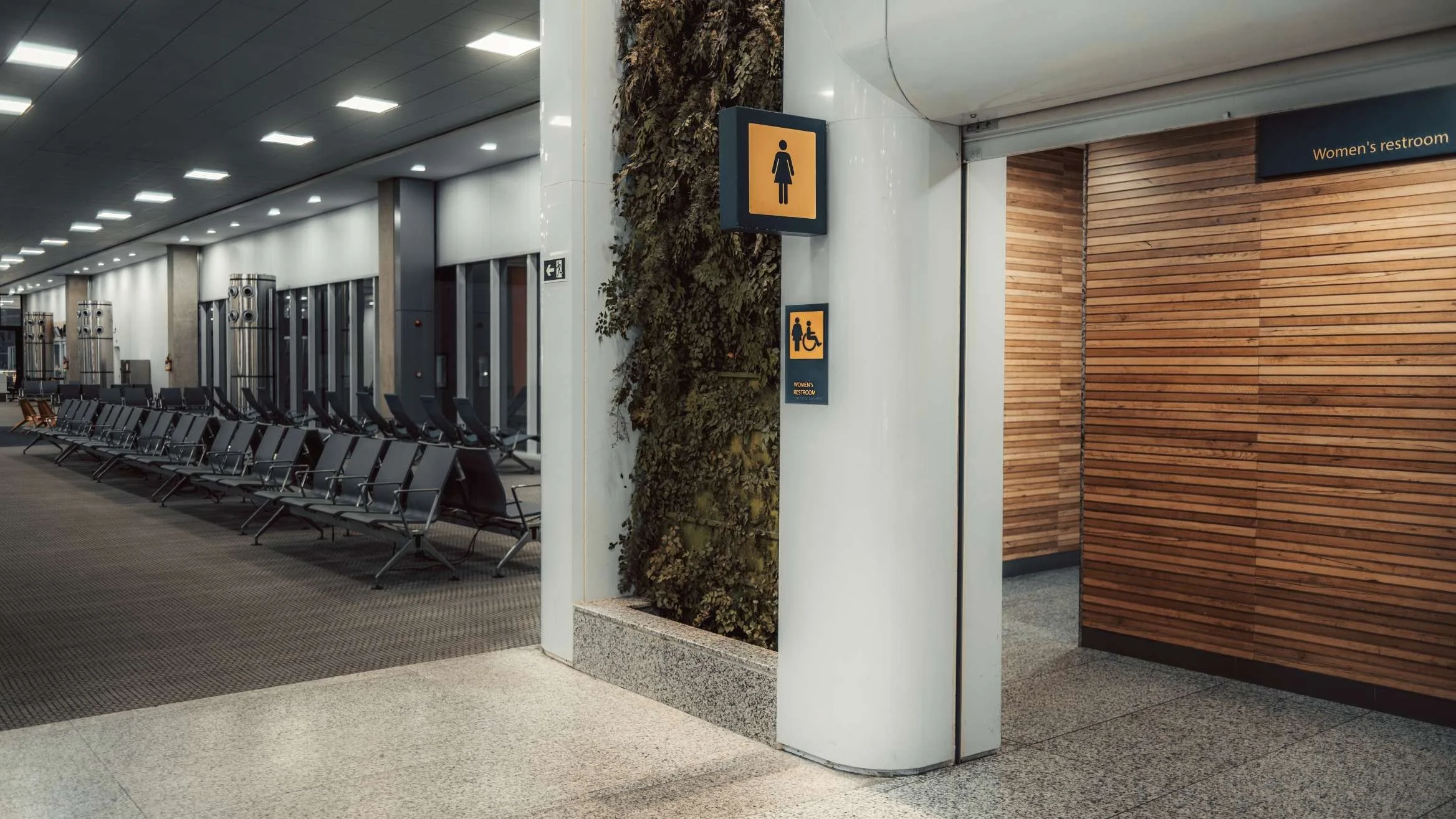
Airports are among the busiest public environments in the world. In the UK, Heathrow Airport alone welcomes around 230,000 passengers a day. That’s thousands of travellers passing through the terminals expecting clean, comfortable and hygienic facilities at every turn, especially when it comes to airport bathrooms.
However, modern airport washroom facilities are no longer judged on cleanliness alone. Today’s passengers have increasingly come to expect environmentally responsible design, energy efficiency and touch-free convenience.
For airport operators, sustainability has become a top priority. From reducing water consumption to choosing durable materials with longer life cycles, eco-conscious washroom refurbishment can significantly lower operational costs while simultaneously improving the passenger experience.
At Cr8tive Washrooms, we know that sustainable airport washroom refurbishment must combine modern design with durability, hygiene and functionality for high-traffic environments. Below, we’re going to share five refurbishment solutions that focus on long-term performance, accessibility and environmental responsibility, so your airport washrooms can withstand growing demand and daily use.
Why sustainability matters in airport washrooms
With so many people passing through, airport washrooms will consume a substantial amount of water, electricity and cleaning resources every day. Traditional, outdated facilities can quickly become expensive to maintain, particularly in terminals operating around the clock. Sustainable washroom design will make it possible to:
Reduce water and energy consumption
Lower maintenance costs
Improve hygiene standards
Support wider environmental targets
Enhance passenger comfort and safety
Extend the lifespan of washroom facilities
In today’s more eco-conscious world landscape, though you might not think it, travellers are becoming increasingly aware of sustainability initiatives and whether or not organisations implement positive changes.
Modern, eco-friendly washrooms can help reinforce a good impression of your airport brand while contributing to wider carbon reduction goals and saving money.
1. Water-saving fixtures and smart plumbing
One of the most effective ways to improve sustainability in airport washrooms is through smarter water management.
Replacing old systems with high-efficiency toilets and urinals can dramatically reduce water usage, and sensor-operated taps can also help prevent waste by automatically shutting off when not in use.
Modern sustainable airport washrooms could include:
Low-flow toilets
Waterless urinals
Timed or sensor-operated taps
Leak detection systems
Smart water monitoring technology
Because airports experience such a high and continuous footfall, even these smallest changes and reductions in water usage per visitor can create substantial long-term savings. These systems not only reduce the environmental impact of your airport but can also lead to significant savings in utility costs over the years.
2. Touch-free technology for hygiene and efficiency
Touch-free technology very quickly became a standard feature in high-traffic washroom facilities, especially following the COVID-19 pandemic. Airports must now prioritise hygienic environments that reduce the number of user touchpoints to help stop the build-up of bacteria and the spread of germs.
Some of the most popular sustainable touch-free features you might include in your airport bathrooms are:
Automatic flushing systems
Sensor soap dispensers
Motion-activated taps
Hands-free cubicle locks
Touchless hand dryers
These modern technologies not only improve user confidence in the cleanliness of your facilities, but they also reduce maintenance demands and unnecessary water or electricity usage.
Installing smart washroom systems can even monitor consumable products such as soap and paper towel levels in real-time. This allows the maintenance team to respond more efficiently to user needs, to avoid waste and to ensure your facilities always meet the demands of travellers passing through.
3. Durable materials with a longer life cycle
Improving sustainability is not just about reducing consumption; it is also about selecting stronger materials that last.
As we’ve said, airport washrooms experience an extremely high daily usage, meaning every surface and toilet cubicle must withstand constant wear and tear. Choosing durable but low-maintenance materials reduces the need to replace fixtures and fittings as frequently. This lowers the environmental impact over time and saves money on maintenance and repairs.
In particular, we highlight the benefits of solid-grade laminate (SGL) cubicles, which are highly resistant to scratches, humidity and wear and tear, while also incorporating antibacterial treatments. And, because they come in a range of colours and finishes, you can choose the perfect surfaces to reflect your brand.
Other sustainable material choices might include:
Recycled materials
Solid-grade laminate panels
Low-VOC paints
Moisture-resistant wall cladding
Durable, solid stainless steel sinks
Hygienic IPS systems that conceal pipework
Choosing long-lasting materials is especially important in an airport, because closures for repairs or replacements can hugely disrupt passenger flow and increase operational costs.
4. Energy-efficient lighting and ventilation
Lighting and ventilation are another major contributor to energy consumption in airport facilities, especially those that are open 24 hours a day.
Modern sustainable washrooms should use LED lighting combined with automatic sensors to minimise unnecessary electricity usage. LEDs last significantly longer than traditional bulbs while consuming far less energy, and having automatic sensors means lights turn off when they are not being used.
Effective ventilation is equally important. Poor air quality can impact cleanliness and passenger safety. The trouble is, inefficient ventilation systems can also be a waste of energy.
That’s why sustainable airport washroom ventilation strategies may include energy-efficient extraction systems, natural daylight integration, smart climate control systems or zoned ventilation for lower energy consumption.
Some airports also incorporate greenery and biophilic design elements to create a more calming passenger experience while improving air quality and comfort in the most natural and environmentally friendly way.
5. Hygienic surfaces and easy maintenance
Last but not least, sustainability and hygiene go hand in hand. Materials that are easy to clean require fewer harsh chemicals to remove germs and less intensive maintenance routines. Modern airport facilities are increasingly using:
Antimicrobial surfaces
Seamless wall panels
Integrated sink troughs
Hidden plumbing systems
Non-porous materials
Touch-free technology
For example, Cr8tive Washrooms’ integrated panel systems (IPS) help create seamless, hygienic environments by concealing pipework and reducing dirt traps, making these spaces quicker and easier to clean whilst still ensuring the best possible hygiene standards are being met.
Simplifying maintenance not only supports sustainability goals but also helps ensure facilities remain consistently clean throughout busy operating hours.
The future of sustainable airport washrooms
Sustainable airport washroom design is always evolving, and as airports work toward more ambitious environmental goals, these facilities will need to integrate smart technology, low-energy systems and environmentally responsible materials.
Airports that invest in sustainable washroom refurbishment today will not only reduce operational costs but also boost passenger satisfaction and future-proof their facilities.
So, if you’re ready to make some upgrades, Cr8tive Washrooms’ refurbishment services are designed specifically for high-traffic airport environments, combining intelligent design, durable materials and innovative solutions to create washrooms that are built to last.